

Helen Hayes was a pioneer in medicine, building an impressive career and earning great respect for her work with people facing chronic pain and terminal illness. Modern specialized care programs in Alberta are a result of her many years of service and her deep understanding of patient needs, according to edmontonka.com.
Childhood and Youth
Helen was born in Townshend, a small village in Cornwall, England. Her childhood was difficult; when she was six, her mother died of meningitis, leaving a lasting impact on Helen. Her father, a general practitioner, often took Helen and her brother along to patient visits. Watching him show devotion and compassion to patients became Helen’s example to follow.
Helen did extremely well in school and longed to become a doctor. But at the time, this profession was largely inaccessible to women, so she initially studied nursing instead. In 1954, Hayes graduated from St. George’s Hospital in London as a certified midwife, then passed further exams to earn a bachelor’s degree in medicine. Around then, she married Peter Hayes, a registrar at St. George’s, and took a brief pause from her own medical training.
Development of a Medical Career
In 1967, the University of Alberta began an international recruitment effort for its medical faculty. Helen and her husband eagerly took advantage of the new opportunities immigration to Canada provided. Walter MacKenzie, dean of the University of Alberta’s medical faculty, helped her complete the coursework she had started in London, and in 1971, Helen fulfilled her dream of becoming a licensed physician. She balanced her studies and work while also raising five children. She opened a family practice in south Edmonton that covered everything from pediatrics to geriatrics.
One day, Helen was deeply moved by the story of a pregnant patient diagnosed with terminal leukemia, who suffered severe pain as her life neared its end. That experience pushed Hayes to learn all she could about advanced pain-management methods and discover ways to improve the quality of life for patients with incurable diseases.
In 1982, Dr. Hayes joined the team creating the first general-hospital palliative care unit in Edmonton. Over the next seven years, she embarked on extensive study in that new specialty while also pioneering her own approaches and working to improve physician expertise. She organized programs of innovative forums and seminars that reached almost every city in Alberta and beyond. Her lectures proved invaluable to many doctors and patients. During this time, Helen became a clinical associate professor at the University of Alberta.
In the late 1980s, Helen was appointed director of palliative care services at Misericordia Hospital in Edmonton. In 1988, she established a palliative-care model focusing on multidisciplinary teams of doctors, social workers, chaplains, and other professionals needed to address each patient’s unique needs.
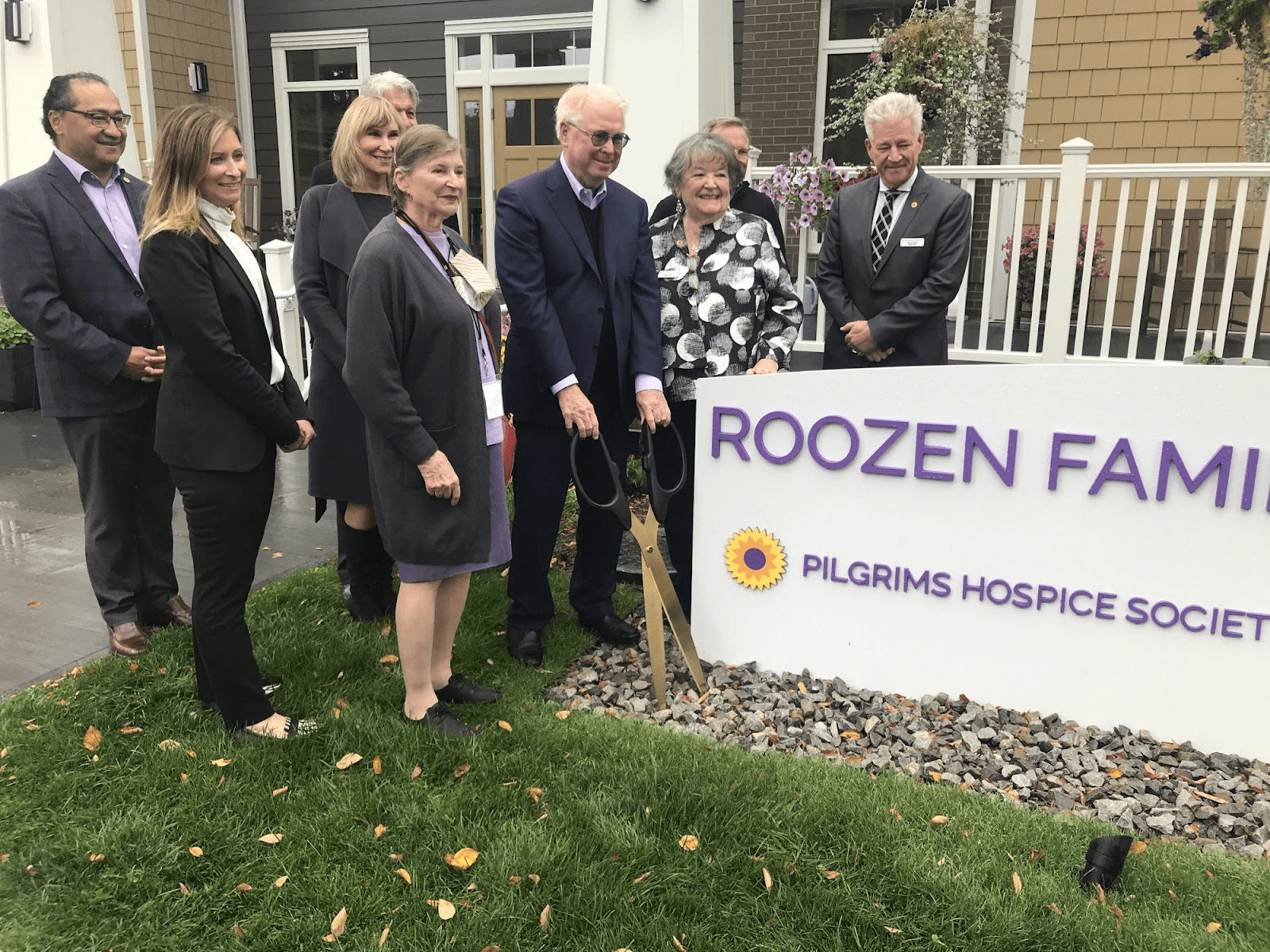
In 1994, she helped found Pilgrims Hospice Society, which offered quality in-home care and outpatient services for terminally ill patients. Around the same time, Helen returned to private practice, dedicating more attention to personal research aimed at reducing the suffering of individuals with chronic pain. Among her many accomplishments were pioneering projects allowing some patients with chronic illnesses to end their reliance on painkillers, and the first-ever evidence of the cardiotoxic effect of methadone.
For her significant contributions to medicine, Helen Hayes received numerous awards and was named a Member of the Order of Canada. In 2007, she stepped back from active practice to spend more time with her children and grandchildren.