

Charles Barager was a renowned physician, military officer, Chief Medical Officer of Edmonton Psychiatric Hospital, and university professor. His transformative contributions to psychiatry made a lasting impact on Edmonton, Alberta, and Canada as a whole. More edmontonka.com.
Early Life
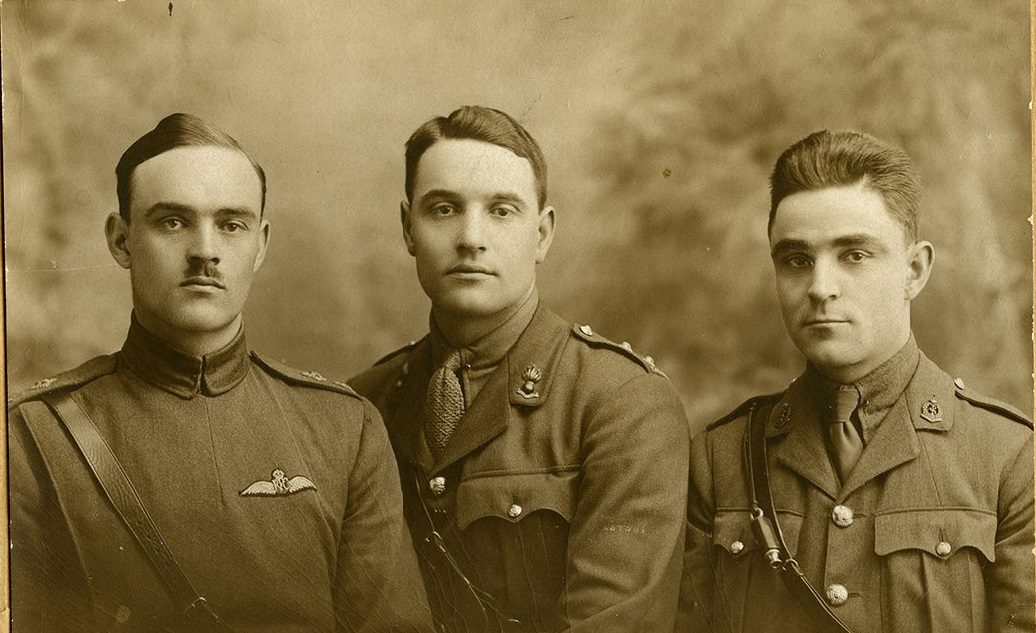
Charles Barager was born on February 22, 1885, in Rawdon, Canada. His family relocated to Manitoba, where his father became a community leader in Elm Creek.
Barager began his education at the University of Winnipeg, earning a Bachelor’s degree in 1910 and later a Master’s in Surgery. During his studies, he worked under Dr. Stewart at a tuberculosis sanatorium in Manitoba. By 1914, Barager was appointed assistant medical supervisor of the institution.
Military Service and Psychiatry Beginnings
In August 1914, as World War I unfolded, Barager volunteered for service. By 1915, he joined the Canadian Army Medical Corps as a lieutenant. His time on the frontlines offered invaluable experience in treating soldiers with mental health disorders, such as shell shock and schizophrenia.
This exposure fueled Barager’s passion for psychiatry. He became an advocate for the mental hygiene movement led by American activist Clifford Whittingham. In 1918, Barager and other physicians founded the Canadian National Committee for Mental Hygiene. Their assessments of psychiatric institutions in Manitoba and Edmonton led to calls for systemic reform.
Leadership in Edmonton
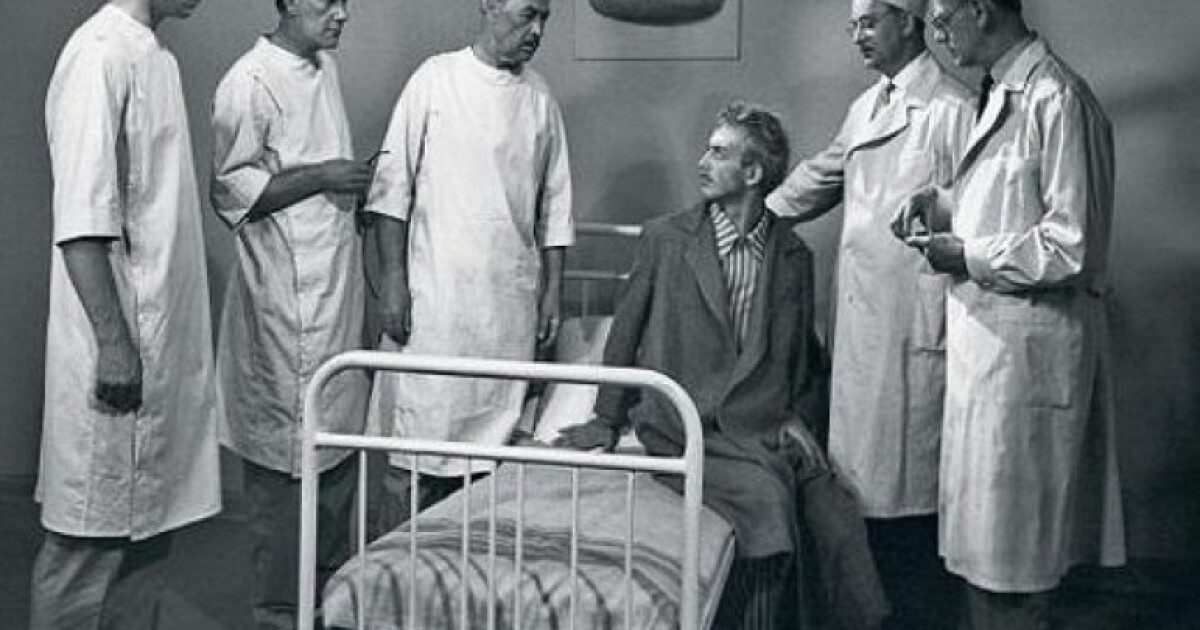
In 1920, Barager assumed the role of Chief Medical Officer at Edmonton Psychiatric Hospital, a position he held for a decade. His tenure was marked by groundbreaking innovations in treatment methods. Notably, he replaced electrotherapy with medication-based therapies and established a provincial department dedicated to patient care.
Barager deeply cared for his patients, organizing weekly staff meetings to evaluate new treatment strategies and keeping detailed records.
The Farm Colony Initiative
One of Barager’s most notable achievements was the establishment of a farm colony to separate psychiatric patients from the general population. Completed in the winter of 1921, the facility featured three wings with sleeping quarters, a day room, a solarium, toilets, a kitchen, and a dining area.
After transferring patients to this new environment, Barager observed significant improvements in their psychological well-being.
Founding of a Modern Psychiatric Hospital
In 1925, a fully equipped psychiatric hospital opened in Edmonton after five years of construction, hindered by provincial funding constraints. Barager’s earlier introduction of occupational therapy played a central role in the hospital’s approach.
Patients engaged in activities like embroidery, printing, and woodworking, which aided in their recovery. The facility thrived under this model, becoming a pioneer in mental health care.
Challenges and Legacy
By the late 1920s, conflicts among staff began to surface. In 1930, Barager made the difficult decision to step down as Chief Medical Officer. However, his work in psychiatry continued; he became the inaugural commissioner of Alberta’s psychiatric institutions and director of psychiatric services.
Charles Barager’s visionary leadership laid the foundation for modern psychiatry in Alberta and Canada. His innovative approaches to treatment and patient care transformed mental health services and continue to inspire progress in the field.