

During the five years of World War II, Edmonton became a city of endless possibilities, with women playing a pivotal role in the war effort. By 1943, the city’s population had reached 130,000, a significant increase from previous years. The war brought economic challenges, with most men sent to the frontlines. As a result, women were encouraged to take up jobs and volunteer, contributing immensely to the city’s wartime resilience. More on edmontonka.com.
Canada’s Unique Food Preservation Program
This program aimed to support Canadian Allied soldiers overseas by urging civilians to reduce personal spending and allocate more income to the war effort. Women were central to this initiative, which marked the rise of volunteerism as a patriotic duty.
Canada’s food exports were lifelines for Britain, though some items faced diminished interest from European markets. As a result, the food preservation program encouraged citizens to buy surplus items like apples and lobsters, boosting domestic consumption and aiding the war effort.
Women Supporting the Military
At the onset of the war, women across Canada embraced home canning. They cultivated fruits and vegetables on their properties, harvested crops, and preserved them. Additionally, women collected animal fat and bones for ammunition production.
In Alberta, the Red Cross established over 40 branches, launching fundraising drives to support soldiers. The first campaign raised $80,000. Women played a vital role in these efforts, gathering supplies for soldiers and creating care packages filled with baked goods, toiletries, and knitted clothing.
Edmonton philanthropist Gertrude Pool, wife of Ernest Pool, opened her home as a workspace for 40 women who knitted and sewed for the Red Cross.
Women in Factories and Offices
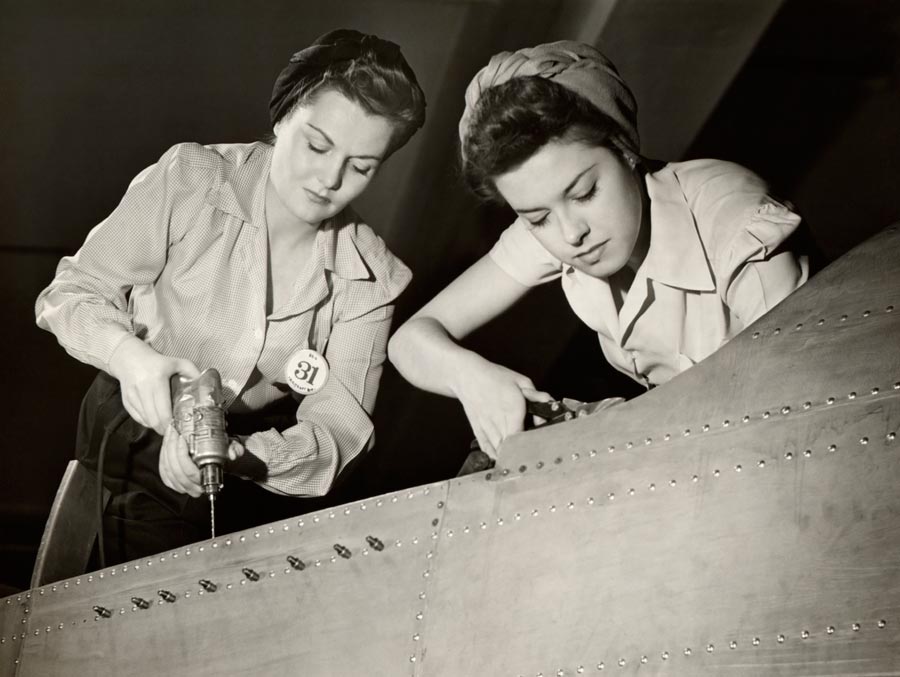
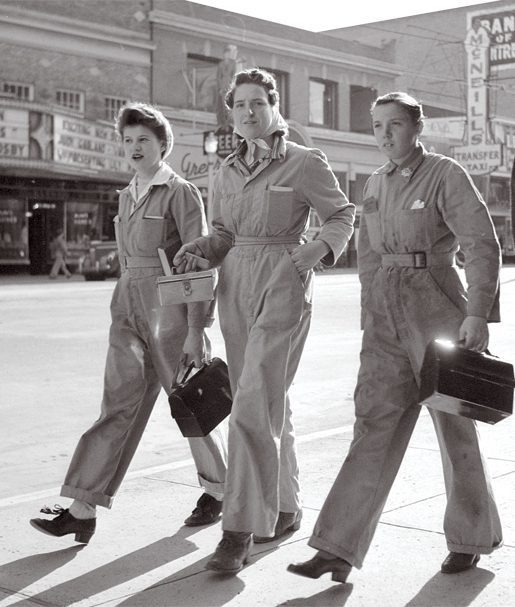
Women enthusiastically took on jobs in factories and offices. In Edmonton, 6,000 women worked across 200 industrial plants and factories. Despite low wages, they performed their duties with dedication.
Edmonton’s Great West Garment Company made a significant impact, producing 6 million pieces of military clothing during the war. The factory became the largest garment producer in the British Empire, with 87% of its workforce comprising women.
Women, regardless of their experience, underwent on-the-job training to contribute to the war effort.
Women in Military Service
Women also served in the military, though they were barred from combat roles overseas. Many joined non-combat support corps in the air force and navy, working alongside men.
The Royal Canadian Medical Corps actively recruited women, requiring a two-week training period before deployment. Civilian nurses were especially in demand, prompting the government to increase the number of medical training schools.
Post-War Challenges
During the war, local journalists advocated for women to retain their jobs permanently. However, when the war ended, employers insisted women vacate their positions for returning soldiers. Economic concerns led many women to leave the workforce and return to their families.
Edmonton women made lasting contributions during World War II, demonstrating resilience, adaptability, and dedication in a time of global crisis.