

Nellie McClung is one of the most prominent activists who fought for women’s rights. She is also known for her public speaking and numerous books. We will delve deeper into her life and accomplishments on edmontonka.com.
The First Steps in Politics and Activism
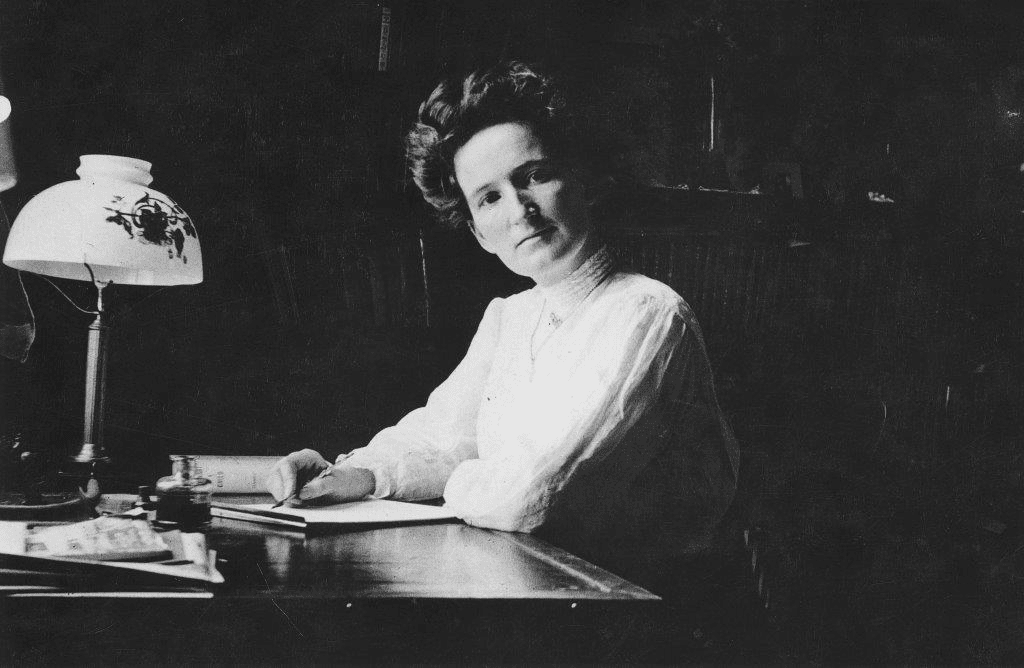
Nellie Letitia Mooney was born in 1873 in Chatsworth, Ontario. In 1880, her family moved to a homestead in western Manitoba, near Edmonton. At age 16, McClung earned her teaching certificate and began working at a local school.
In 1896, Nellie married Robert McClung, a pharmacist. They had five children together. Nellie’s mother-in-law was the president of the Woman’s Christian Temperance Union, which inspired Nellie to write the novel “Sowing Seeds in Danny” (1905)—it went on to become a bestseller.
In 1911, the McClung family relocated to Winnipeg, where Nellie joined the Women’s Christian Temperance Union, aiming to curb issues related to alcohol abuse among women. This engagement drew her into the women’s suffrage movement. Around the same time, she got involved with several other reform groups that focused on advancing women’s right to vote and became one of the founders of the Political Equality League.
Achieving Her Goals
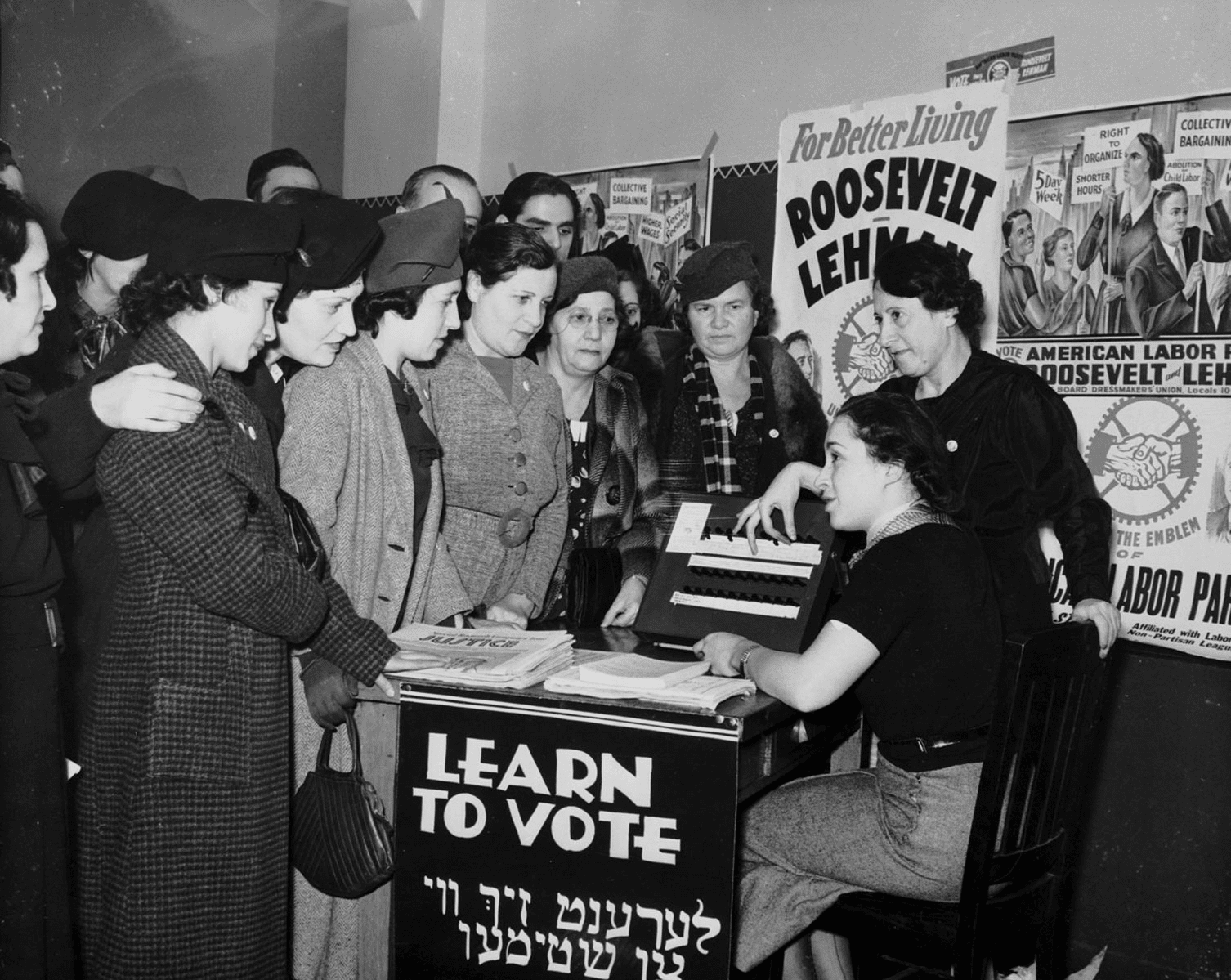
In 1914, the suffrage campaign reached a turning point. That year, McClung and members of the Political Equality League staged a satirical performance highlighting the supposed dangers of granting men the right to vote. The event was a success, especially with Nellie using arguments once put forth by men who believed women couldn’t handle voting. In 1916, Manitoba became the first province in Canada to grant women suffrage. Soon afterward, Saskatchewan followed suit.
In 1914, Nellie and her family moved to Edmonton, where she continued campaigning for voting rights in Alberta. By 1921, McClung had been elected to the Edmonton Legislative Assembly under the Liberal Party. She was also Canada’s only female delegate at the Ecumenical Conference in Great Britain. At that time, she focused on issues such as health care, education, property rights within marriage, and child protection. In 1926, having lost an election, Nellie returned to writing.
McClung was one of the famous “Famous Five” who made history worldwide. In 1927, Emily Murphy, Henrietta Edwards, Louise McKinney, Irene Parlby, and Nellie McClung submitted a petition to the Supreme Court, asking that Canadian women be legally recognized as “persons” eligible to hold public office. The Supreme Court ruled against them. They then took their petition to the Judicial Committee of the Privy Council in England. In 1929, the Privy Council ruled in their favour, stating that excluding women from all public offices was an outdated notion. It was a monumental victory.
In 1933, the McClungs moved to Vancouver Island, where Nellie completed her first autobiographical volume, “Clearing in the West: My Own Story.” She also wrote several short stories. The second volume, “The stream runs fast…”, was published in 1945 and focused on her family life.
A Supporter of Eugenics
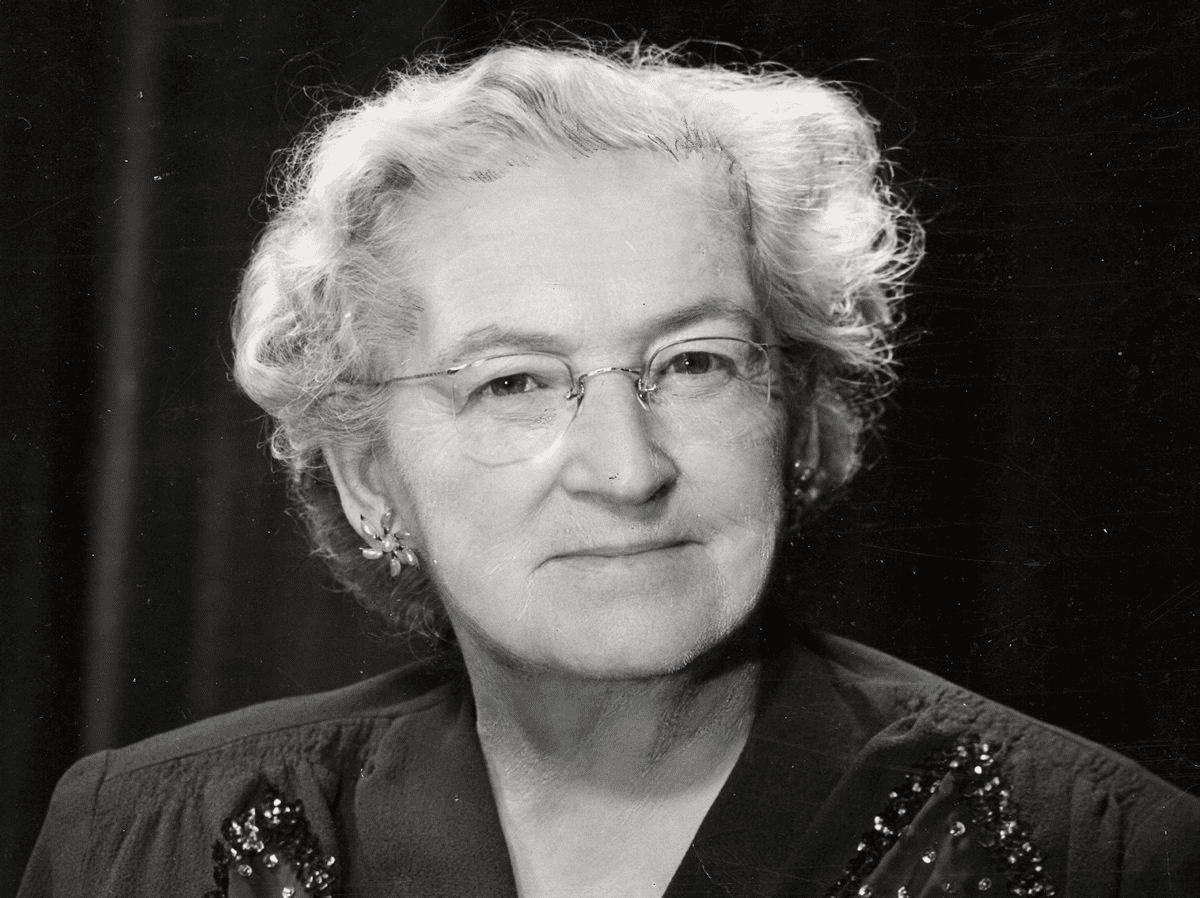
McClung is often criticized for racism and elitism because of her ties to eugenics, a belief that the human population could be improved through controlled reproduction. It’s important to note that many influential Canadians backed this idea in the early 1900s. They argued that people deemed “feeble-minded” were prone to alcoholism, immorality, and crime, posing a threat to society’s moral fabric. Such fears spurred legislation supporting eugenics, including the forced sterilization of the “defective.” McClung and her close friend Emily Murphy are considered among the most influential advocates of Alberta’s Sexual Sterilization Act, passed in 1928 and repealed in 1972. During that time, thousands of people diagnosed with mental illness or developmental disabilities underwent eugenic sterilization.
As a feminist, McClung believed that women should be active in politics because of their maternal instincts and interests, such as maternal and child health. This was central to maternal feminism, which portrayed women as mothers and protectors of their race, advocating for laws against prostitution and alcoholism.
In 1932, the McClungs moved to Victoria, where Nellie, in 1936, became the first woman to sit on the CBC Board of Governors. She continued writing and giving speeches up to the end of her life. This legendary figure passed away in 1951.
Clearly, Nellie did a great deal of good for women. Throughout her life, she kept fighting for their rights. She also urged the Canadian government to accept European immigrants during World War II. Though she was largely forgotten for decades, she was rediscovered by feminists in the 1960s.
Sources