

Feminism encompasses political, social, and intellectual movements aiming for equality among people of all genders. In Edmonton, there have always been individuals who challenged society’s restrictions. Feminism first emerged in Europe in the mid-19th century. From then on, feminist movements spread worldwide, including throughout Canada, in many different forms. More details at edmontonka.
What Were the Feminist Movements?
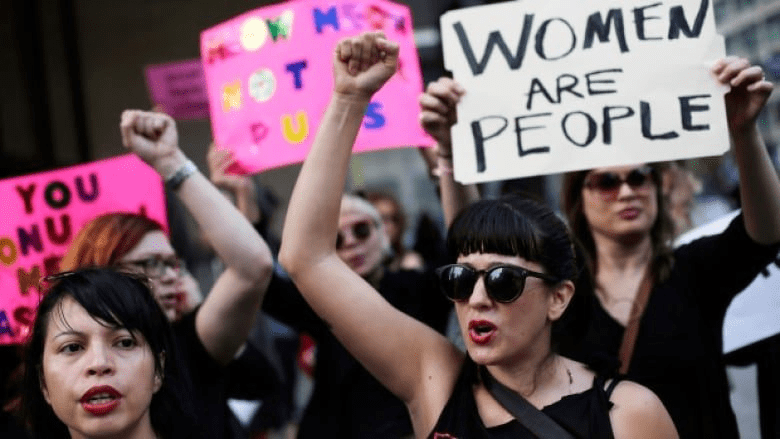
The history of feminism is divided into four waves. The first wave in Edmonton began in the 19th century and lasted until the early 20th century. At that time, it was primarily known as the women’s suffrage movement, because its main goal was to give women the right to vote and run for political office.
These activists, often called suffragettes, focused on issues of married women’s property rights, child custody, and citizenship. Many of them are sometimes described as “maternal feminists,” believing women to be the “mothers of the nation”—naturally well-suited to solving childcare and education issues. In Edmonton, the most prominent feminists of that era included Emily Murphy, Nellie McClung, and Irene Parlby.
Features of the Second Movement
The second wave, active primarily from the 1960s to the 1980s, was widely referred to as the “women’s movement.” Feminists of that period, such as Thérèse Casgrain and Doris Anderson, largely concentrated on wage equality for women, better access to birth control, abortion rights, and ending gender discrimination.
Their motto was “the personal is political,” meaning that everyone’s social and political life is interconnected and cannot be separated.
During that wave, Betty Friedan published The Feminine Mystique, which became a cornerstone of second-wave feminism in the U.S. The book argued that many housewives were unhappy but felt unable to change their circumstances because they had no rights.
Some Edmontonians criticized second-wave feminism for its emphasis on the idea that women and men should be “equal,” insisting instead that it’s important to acknowledge both groups’ equally but differently significant contributions to society. At the time, white, middle-class women were predominant in Edmonton. Black women felt dissatisfaction because their rights remained marginalized.
The Third Wave Linked to Punk Subculture
The third wave is associated with the feminist punk subculture Riot Grrrl, which arose in the U.S. in response to critiques that second-wave feminism excluded racial and marginalized individuals. Third-wave feminists aimed to be more inclusive. Influential groups in this wave advocated every woman’s right to her own viewpoint, focusing on reclaiming derogatory words, condemning violence against women, and other issues.
A leading thinker of this wave was Kimberlé Crenshaw, who introduced the concept of “intersectionality” to describe how different facets of identity and oppression intersect. This term highlighted the third wave’s pursuit of justice for anyone facing gender-based discrimination.
Why Is the Fourth Wave Connected to the Internet’s Growth?
The fourth wave of feminism began around 2008–2012, coinciding with the internet’s expansion. Building on the third wave’s emphasis on intersectionality, the fourth wave is even more inclusive. Overall, it centered on achieving justice for those impacted by sexual harassment, assault culture, and similar problems.
Access to the internet, especially social media, made it easier for women to engage with society and mobilize politically in ways never seen before. A defining moment of this wave was the MeToo movement, founded in 2006, enabling victims of gender-based and sexual violence to share their stories and publicly accuse influential offenders.
After 2009, the situation evolved significantly: countless feminist theories, viewpoints, schools, and organizations emerged, working hard to achieve gender equality for all. Feminism has left a major mark on Edmonton’s history, enabling many women to attain rights that would have seemed impossible just a few years prior.