

Fashion is a fleeting trend, and every century brings its own unique style. In the 19th century, fashion was diverse, with clothing featuring various ornaments. Undergarments and corsets allowed women to create distinctive silhouettes. Shopping for clothing for oneself and one’s family was a significant task for women, whether they sewed by hand or turned to a hired seamstress. More on edmontonka.com.
Dresses and Long Skirts
The women’s magazine The Delineator, first published in Edmonton in 1876, was popular among local women. For several years, it featured a variety of women’s dress styles. Fashion items in such magazines were typically categorized by the occasion or activity they were designed for. For example, there were dresses for afternoon outings, cycling, and walking.
Fashion illustrations showcased the latest styles, with patterns available for mail-order from other countries. More economical options included placing orders with local seamstresses. Popular clothing silhouettes in the city constantly evolved.
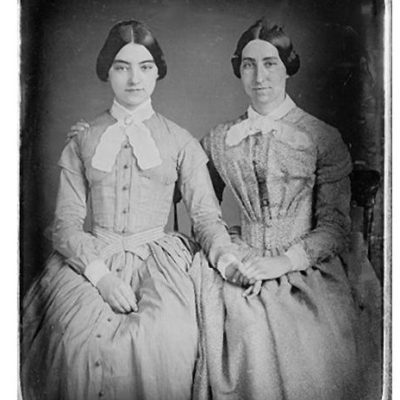
By 1870, women’s dresses were elaborate, while men’s clothing was simple and formal. Women often wore dresses with voluminous skirts in vibrant or black colors, adorned with ribbons, lace, and pleats.
Women’s wardrobes included many vibrant dresses with collars. Petticoats were typically embellished with ruffles and pleats to add extra volume. Dresses were often cut at the back to reveal decorative petticoats. High collars visually elongated the neck.
By 1877, women’s skirts became more form-fitting, emphasizing every curve of the body to create a sleek silhouette. Corsets and boned bodices shaped the chest to appear fuller.
For formal occasions, women chose elegant and stylish evening dresses adorned with silk, lace, and ribbons. Sloped necklines with small sleeves and exposed shoulders were common, often complemented by gloves as accessories. Women also began to wear ribbons tied around the neck, draping gracefully down the back.
To complete the outfit, hair was styled into tight curls, often tied into knots at the nape or crown. Hats helped maintain these elaborate hairstyles, while neatly arranged curls framed the face.
A Dramatic Shift
By 1890, fashion in Edmonton began to change rapidly, marking a departure from Victorian ideals. The fashion of the 1890s allowed women greater self-expression. More women entered the workforce, rode bicycles, and engaged in sports, with clothing reflecting these societal shifts.
Fashion during this time embraced freedom of movement and individuality. Flowing skirts replaced petticoats. Some women even began transitioning to trousers—a bold choice for the era. Despite the increased freedom of movement offered by loose skirts, corsets were still widely used to achieve the desired hourglass figure.
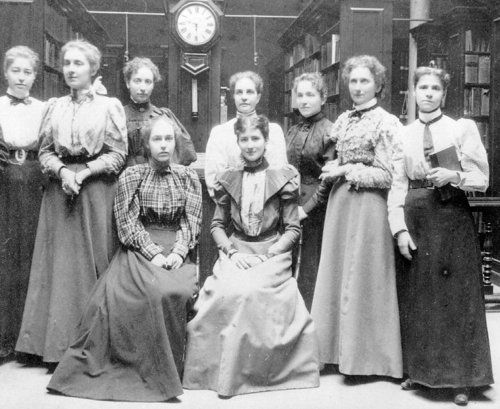
Dresses and blouses often featured fitted bodices with high necklines, frequently paired with jackets. Sleeves extended to the wrists, creating a stylish and romantic look. This design visually lengthened the arms.
The “leg-of-mutton” sleeve, a puffed sleeve style, became particularly popular. Evening dresses featured voluminous sleeves, while the arms from the elbow down were often bare. Necklines were lowered and came in various shapes.
Women began to favor neutral colors. White, blue, gray, and black became staples. Over time, more new colors emerged. As the years progressed, fashion evolved further, with neutral dresses and skirts giving way to brighter and freer styles, slightly shorter than knee-length.