

In earlier times, women wore fur not to look fashionable but to stay warm. In the 19th century, not every city woman could afford a fur coat, as it was prohibitively expensive. An archived advertisement in the Edmonton Bulletin dated January 13, 1805, confirms that fur was a luxury for the wealthy. It mentions a woman in Hudson Bay selling a beaver fur coat for $15. Learn more on edmontonka.com.
The History of Winter Fashion
In 1830, clothing production began in the city. All garments were handmade, with wool sourced from local sheep. This natural wool was of high quality, providing excellent insulation, making it ideal for winter attire. Nicole Bach-Labrecque, a historical costume coordinator at Fort Edmonton Park who studies the history of clothing, shared these insights.
A curator of clothing and textile collections at the University of Alberta noted that one important element Edmonton residents adopted from Europeans was moccasins. These were far better at protecting against cold and wet snow than European footwear. Conversely, Indigenous peoples adopted elements from Europeans, such as cotton and woven fibers, which later became widely used.
Experts highlight that a Métis man’s winter outfit in 1846 in Hudson Bay included woolen underwear, a cotton shirt, durable wool pants, and warm socks. He wore fur moccasins and deerskin mittens adorned with bright beadwork.
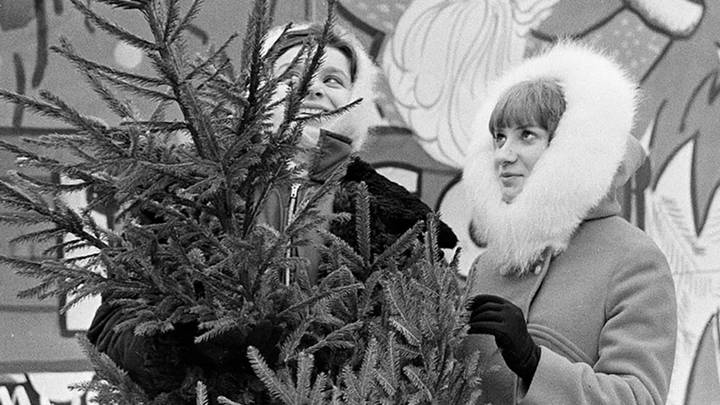
For centuries, wool and fur were the foundations of winter fashion until synthetic fibers became available. Certain types of fur, especially mink, were significant status symbols. Almost everyone wore fur, as it provided warmth during cold winters.
In 1899, Revillon Frères, a French company, opened a warehouse and store in Edmonton. Their most notable location was built in 1912 at 10221–104 Street, now the site of the Boardwalk Market complex. At the time, this was Canada’s largest and most advanced warehouse for producing and selling clothing. The building was constructed from concrete and equipped with all the necessary facilities for garment manufacturing.
Edmonton also had a dedicated depot that supplied fur to the company. This made Edmonton the second-busiest fur depot after Montreal. By 1920, the city handled $4 million worth of raw fur annually, which was used to create new winter garments.
Wool Garments
Wool offered a healthy and popular alternative to fur. Woolen clothing was breathable, absorbed sweat, and resisted dirt and odors. Throughout fashion history, men often wore three-piece suits—jackets, vests, and trousers—with fur or wool hats as essential accessories.
A 1921 catalog shows that women, men, and children wore woolen suits with warm, long trousers or shorts. Women also wore silk or cotton undergarments to keep their legs warm.
Between 1930 and 1949, winter fashion evolved, with greater emphasis on fur coats. Fur garments remained popular through the 1980s, but by then, fur and wool were mostly used for coats, hats, and socks, with undergarments falling out of favor.
The Rise of Synthetic Materials
As fur gradually gave way to synthetic materials, the quality of winter garments declined. However, synthetic options were more affordable, making them accessible to those with limited budgets.
Over time, a wider variety of fabrics became available, allowing designers to create unique and exceptionally warm garments. Clothing made with synthetic insulation like polyester batting gained popularity for its ability to retain heat and provide warmth, even during extreme cold.