

Louise Miller was a tireless, confident, and deeply dedicated advocate. Her work left an indelible mark on spinal cord injury research, and she provided vital support to numerous organizations focused on improving the quality of life for residents of Alberta living with disabilities. You can find more about her life and legacy here on edmontonka.com.
From Nurse to National Advocate
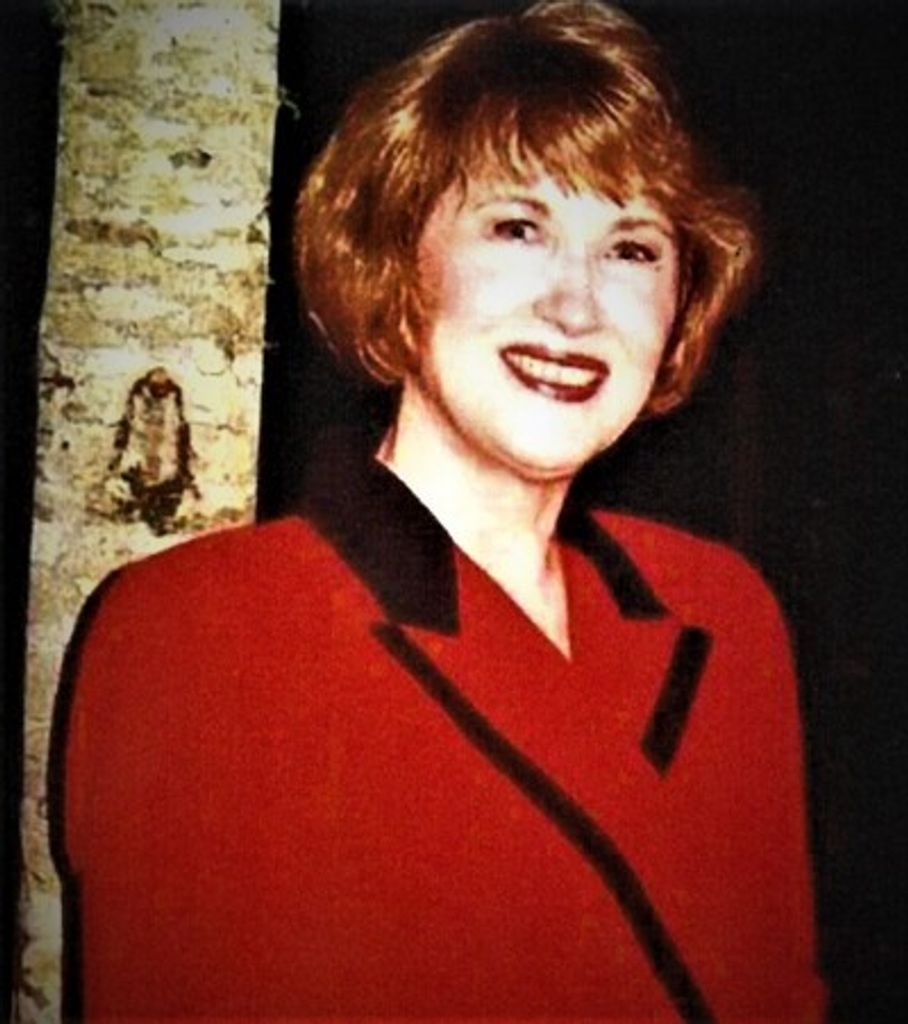
Born Louise A. Hewson in Glasgow, Scotland, she spent her childhood in the rugged environment of the Shetland Islands. Growing up in a large family with three sisters and a brother, Louise developed the energetic, resilient spirit that would define her life. Even as a young girl, she had a fierce instinct to stand up for children she felt were being overlooked. It was clear from an early age that Louise would never be afraid to speak her mind when it mattered most.
Her compassion for others led her to pursue nursing. At just 17, she left home to begin her training, eventually working in hospitals caring for sick children. While living in London, she met and fell in love with John Miller, a young man recently discharged from the Royal Navy. The couple married in 1962, and their daughter, Tracy, was born in 1963. After moving to Alberta in 1965—first settling in Red Deer before making Edmonton their permanent home—their son, Graham, was born in 1968.
Louise balanced motherhood with a demanding career as an educator, manager, and director of nursing. By 1974, she was already chairing the Edmonton chapter of the Alberta Association of Registered Nurses and served for five years as the vice-chair of the Royal Alexandra Hospital’s board. Her commitment to education was equally impressive; she earned a diploma in nursing education and administration (1967), a Bachelor of Science in Nursing (1972), and an MBA (1979)—all from the University of Alberta.
Advancing Spinal Cord Injury Research and Rehabilitation
In April 1984, Louise’s life took a drastic turn. A rare viral infection caused severe heart damage, and while emergency surgery saved her life, it left her paralyzed from the waist down. After six months of recovery, she began adapting to her new reality with the unwavering love and support of John, Tracy, and Graham. It wasn’t long before Louise’s characteristic drive and problem-solving nature turned her toward a new mission: advocating for the disability community.
In 1987, Louise co-founded the Spinal Cord Injury Treatment Centre Society. This project remains one of her most significant legacies, as she spearheaded an ambitious program to fund applied research into spinal cord injuries and integrate cutting-edge rehabilitation technologies into Alberta’s healthcare system.
She was particularly passionate about Functional Electrical Stimulation (FES), a treatment that enables individuals with spinal cord injuries to regain motor function, stand, walk, and exercise. Her work with the Neuroscience Rehabilitation group at the Faculty of Medicine and Dentistry was instrumental in establishing an FES clinic and research center at the University of Alberta.
A Legacy of Empowerment
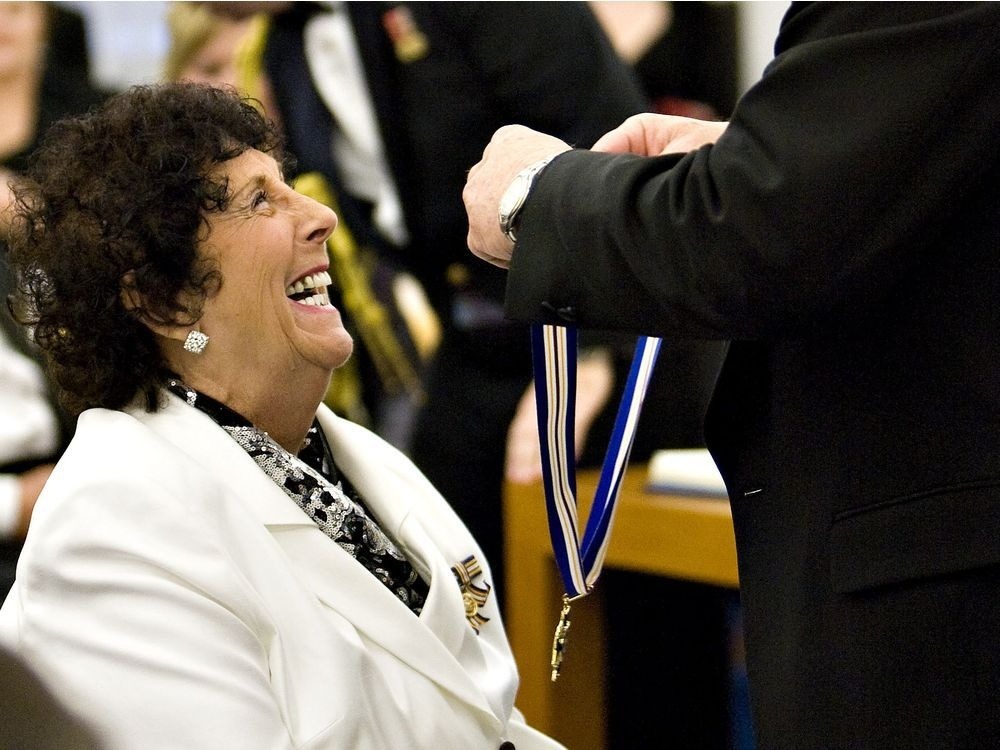
Louise was also a relentless advocate for research into the prevention of pressure sores in paralyzed patients. As the president of the Spinal Cord Injury Treatment Centre Society, she was a tireless, persuasive, and relentlessly positive force for change.
Her volunteerism spanned decades. She co-chaired the Custom Transportation Services Advisory Board and led the City of Edmonton’s task force on physical disabilities, as well as the Advisory Committee for Persons with Disabilities. Her leadership on these initiatives directly led to improved accessibility across city services and public buildings. Furthermore, her work with a task force for the Federation of Canadian Municipalities helped create a practical guide for municipalities across the country to better serve the needs of Canadians with disabilities.
In 2000, she co-authored *Daring to Live: Personal Journeys of Courage and Triumph*, a collection of motivational stories from people living with disabilities that has inspired countless readers. Louise also shared her expertise as an orator and an instructor for the University of Alberta’s Faculty of Extension, where she taught interpersonal business communication.
Her efforts were widely recognized. In 2000, Louise was named a Member of the Order of Canada. In 2007, she received the Alberta Medical Association’s Medal of Honor, followed by the Canadian Medical Association’s Medal of Honor the next year.
Louise Miller’s achievements prove that meaningful change is possible when driven by courage, determination, and a refusal to settle for the status quo. Her legacy continues to help Albertans with disabilities lead healthier, more independent, and fulfilling lives.