

Judy Archer has played a pivotal role in supporting vulnerable women across Alberta. Through her dedicated work, she has helped countless families break the cycle of poverty by providing access to housing, vocational training, and employment opportunities. The Women Building Futures (WBF) program has become one of Canada’s most recognized initiatives, preparing women for success in the construction and industrial sectors. As edmontonka.com reports, the project has not only empowered thousands of women to land high-demand jobs but has also provided Edmonton’s construction industry with a pipeline of skilled, motivated talent.
From Hardship to Visionary: The Story of Judy Archer
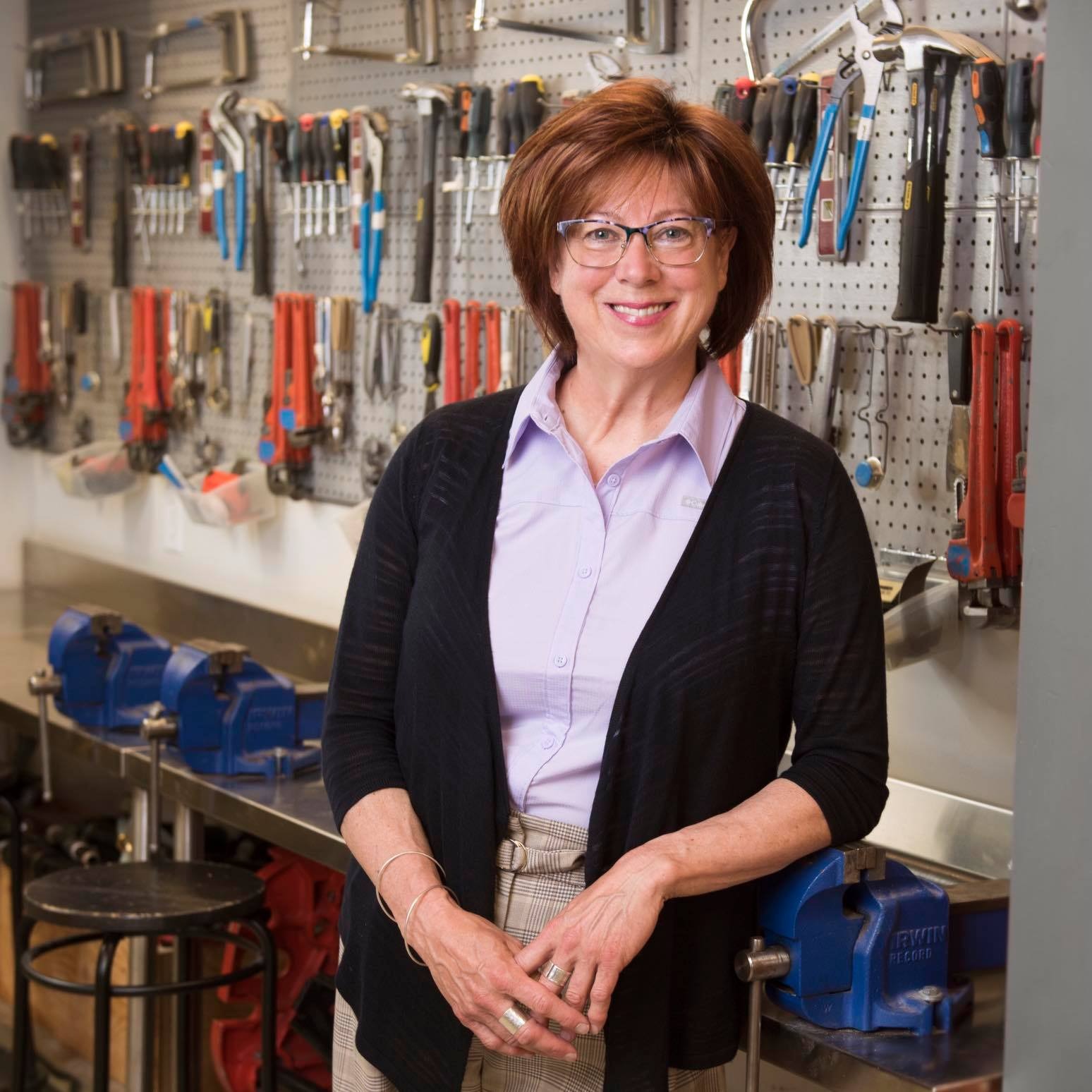
Born on April 5, 1952, in Mission, British Columbia, Judy grew up in a low-income, single-parent household with her brother. In interviews, she has often described her challenging childhood as a “priceless gift,” one that instilled in her an unshakable resolve to take control of her own destiny.
From a young age, her mother encouraged her to stay industrious, though formal education was never presented as a viable path. After moving to Edmonton in the early 1970s, Archer noticed the sheer volume of trucks on the road and realized they represented stable, well-paying jobs. She spent a significant part of her early career working in the transportation industry.
Everything changed when she spotted a newspaper advertisement for the new Grant MacEwan Community College (GMCC). Inspired by a school librarian she had known, Archer decided to follow in those footsteps by enrolling in a library technician program. To her surprise, she discovered a passion for learning. After earning her diploma, she secured a position with Alberta Career Development and Employment, where her interest in the labor market really began to take root.
How Women Building Futures Bridges the Gap in Canada’s Construction Sector
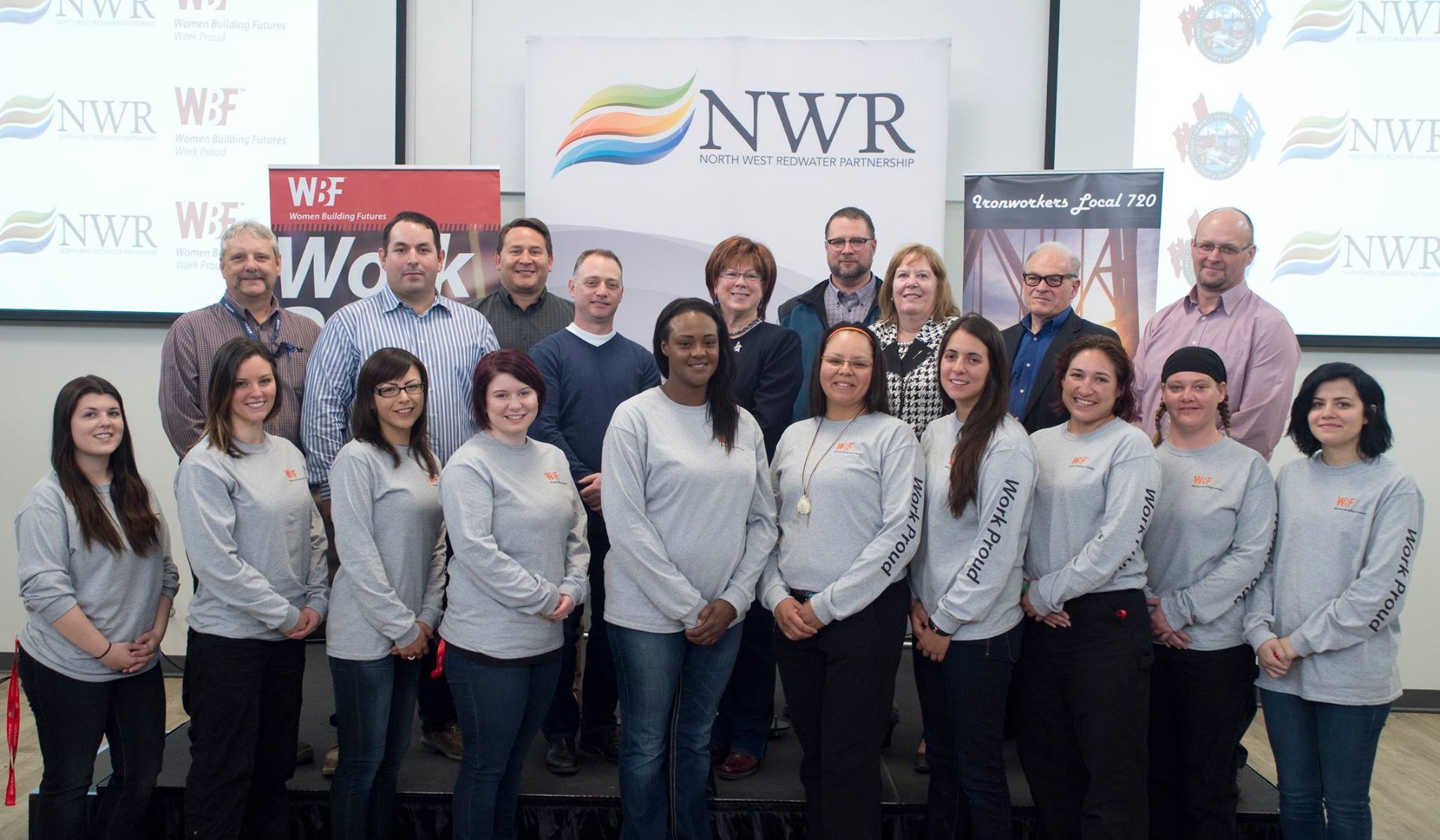
In 2002, Archer met a small group of women in Edmonton’s non-profit sector who had launched Women Building Futures (WBF) to help women escape poverty through trades training. They were looking for someone to lead the organization, which at the time focused primarily on general gender equity. Judy saw a different potential: she wanted to pivot toward industrial workforce solutions. She correctly predicted that in 15 years, the industry would face a massive labor shortage due to retiring workers—creating a golden opportunity for women, especially those stuck in part-time or low-wage roles. She landed the job as President and CEO, transforming the organization from a good idea into a powerhouse of success.
WBF started humbly in a 4,000-square-foot basement on Jasper Avenue with little equipment. Social workers referred women to the 17-week program, while supporters donated tools and materials. Judy spent her time juggling grant applications and networking with industry associations, employers, and government officials. She and her team launched what became a decade-long marketing campaign—the first of its kind in Canada—to raise awareness about the benefits of a career in the trades.
Archer also developed a strategic tool to help women assess whether the trades were a good fit for them. Those who opted in underwent training in math and science, along with hands-on exposure to six different trades. This ensured that graduates were prepared for the physical and intellectual demands of working in male-dominated, technical environments.
Judy brought exactly what WBF needed: experience, a strong work ethic, and straight-shooting honesty. Under her leadership, the organization’s reputation soared, leading to increased trust, funding, and program capacity.
By 2006, the organization needed to scale. WBF purchased a warehouse on 107th Avenue, which soon became the Suncor Women Building Futures Training and Housing Centre—a facility that remains unique in Canada. The 32,000-square-foot renovated space includes a floor dedicated to trade workshops (carpentry, welding, plumbing, sheet metal, and electrical), a floor for classrooms and administration, and three floors housing 42 apartments. This allowed WBF to provide comprehensive services and expand its reach, including programs for Indigenous women across the western provinces and territories.
Judy’s vision for the center was rooted in the idea of providing safe, affordable housing. She understood that a woman juggling three part-time jobs to feed her kids could not simply quit to attend school. Providing housing meant these women could focus entirely on their training. To this day, WBF operates on the belief that a woman’s path to economic prosperity starts with safe, stable housing.
Archer also collaborated closely with Olds College and NAIT to develop skill-building seminars and curricula, even providing contract instructors. In 2015, she was appointed to the NAIT Board of Governors.
Strategic partnerships with industry paid off, as companies began hiring WBF to attract and train women for specific projects. Strong relationships with major employers like North West Refining, Suncor, and Imperial Oil led to meaningful employment for graduates. By 2020, WBF had trained over 2,300 women, with a 90% employment rate in 2019 and graduates typically increasing their income by 2.5 times after completing the program.
Judy Archer’s Lasting Impact on Alberta
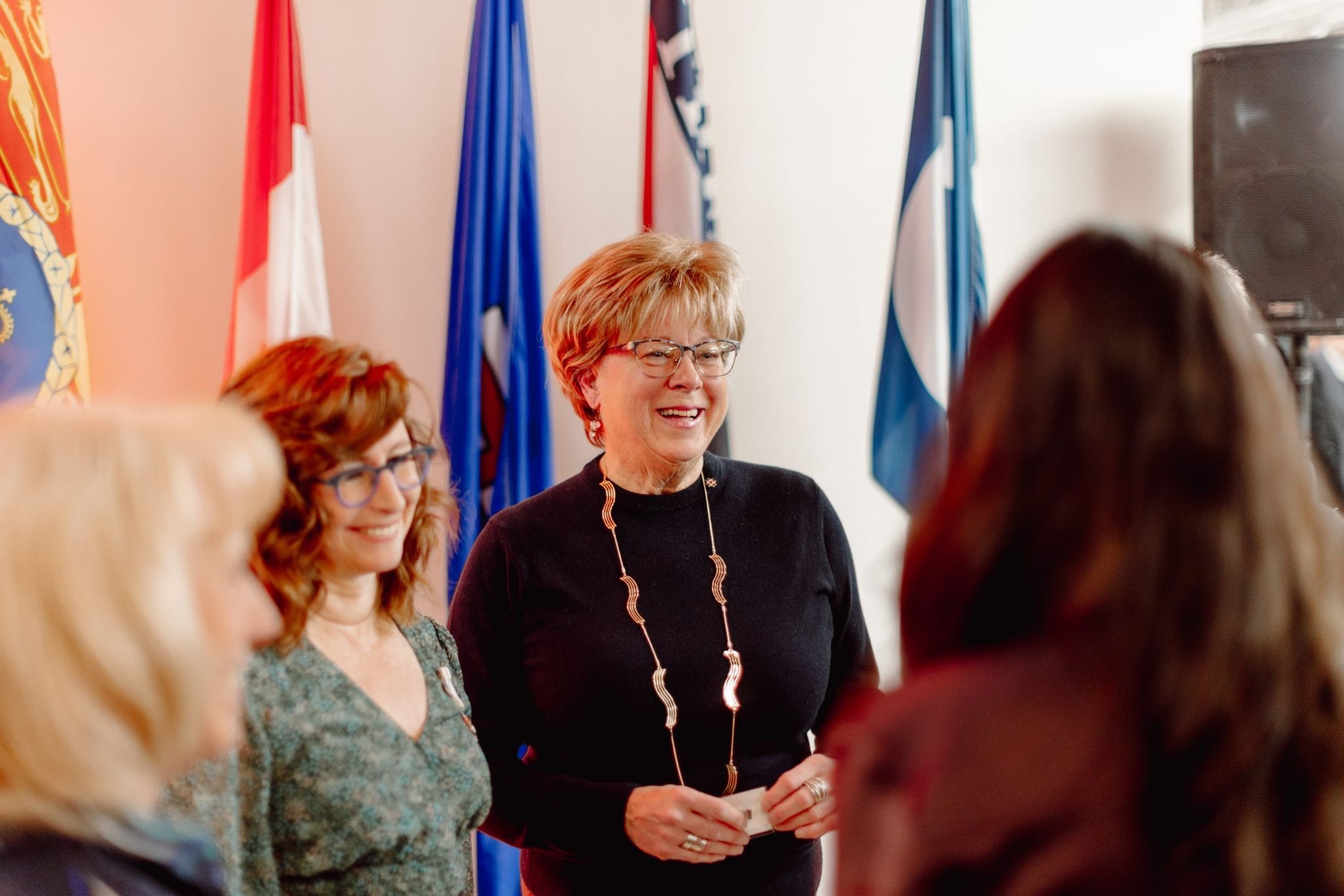
In late 2016, Judy stepped down from WBF to establish the Judy Archer Fund. The fund helps cover tuition and housing costs for women enrolled in WBF programs. True to form, she seeded the fund with her own donation, which was immediately matched by North West Refining and Canadian Natural Resources Limited. Today, she continues to grow the fund, ensuring more Alberta women have the training and support they need to build their own futures.
Judy has received numerous awards for her work, including:
- Global TV Woman of Vision Award (2006).
- Women’s Executive Network Top 100 Most Powerful Women in Canada Award (2009).
- Business Professional Women Canada Centennial Recognition Award (2016).
- YWCA Woman of Distinction Award (2013).
Judy Archer’s story is a testament to how determination, hard work, and a commitment to service can change thousands of lives. Through her efforts, Women Building Futures became a cornerstone of Alberta’s vocational and social support system. Her legacy continues to inspire new generations of women to pursue high-demand careers and confidently build a better future for themselves.