

“Every day, Eda climbed the tower. Despite her unhappy family life and the loss of important loved ones, she stuck to her routines and truly loved her work. She devoted her entire life to science.”
Throughout the centuries, Edmonton’s hardworking women have made major contributions to the city’s development, all the while receiving far less recognition compared to their male counterparts. One individual who deserves a place among Edmonton’s notable women is Eda Owen. More details at edmontonka.
Eda Owen’s Story
At a time when women weren’t legally recognized as persons – much less considered suitable for scientific or professional work – Eda served as a weather observer in Alberta. From her home in Highlands, this English-born settler spent 28 years in Edmonton, sending reports to the Dominion Meteorological Society’s headquarters in Toronto. Her data proved essential for aviators, farmers, foresters, and many other professions in both Canada and the U.S.
Eda’s job was extremely demanding, as the station where she worked was the most critical meteorological post outside Toronto. Every hour, she recorded measurements from 36 different instruments throughout the day, compiling reports from over 140 stations in the region.
She rose at 5 a.m., collected instrument readings before dressing, then phoned or telegraphed that information. Entirely committed to her duties, she fielded phone calls from reporters and everyday citizens seeking weather updates.
How It All Began
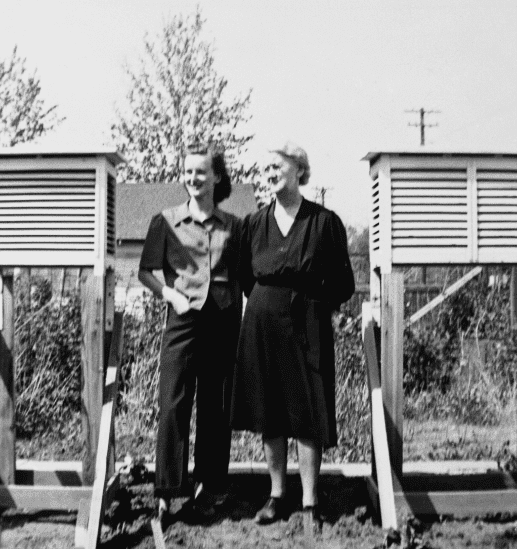
When Eda first arrived in Edmonton in 1908, she knew nothing about meteorology. Coming from a wealthy family, her expected path was a “good marriage.” Indeed, in her hometown, Eda married Herbert. The Owens family moved to Canada, settling in Edmonton, where Herbert found work as an assistant meteorologist. Eda learned to gather and interpret meteorological data, helping her husband fulfill his duties.
In 1915, with the outbreak of the Great War, Herbert and his boss, chief meteorologist Stuart Holmden, enlisted in the Canadian Armed Forces and left for Europe. Eda took over her husband’s role, promising to keep his position until he returned. Tragically, in 1917, he was killed.
His death devastated Eda and further strained her already rocky relationship with her only child, Kate. For six years, she continued to collect meteorological data and send reports to Toronto while holding the assistant meteorologist job.
In 1921, the Department of Marine and Fisheries officially recognized her as a provincial agent. She became the only woman in Canada to hold that title, earning a subsistence income and living in her home, which doubled as the Highlands weather station, at a time when many returning servicemen were unemployed.
Eda Owen’s Achievements
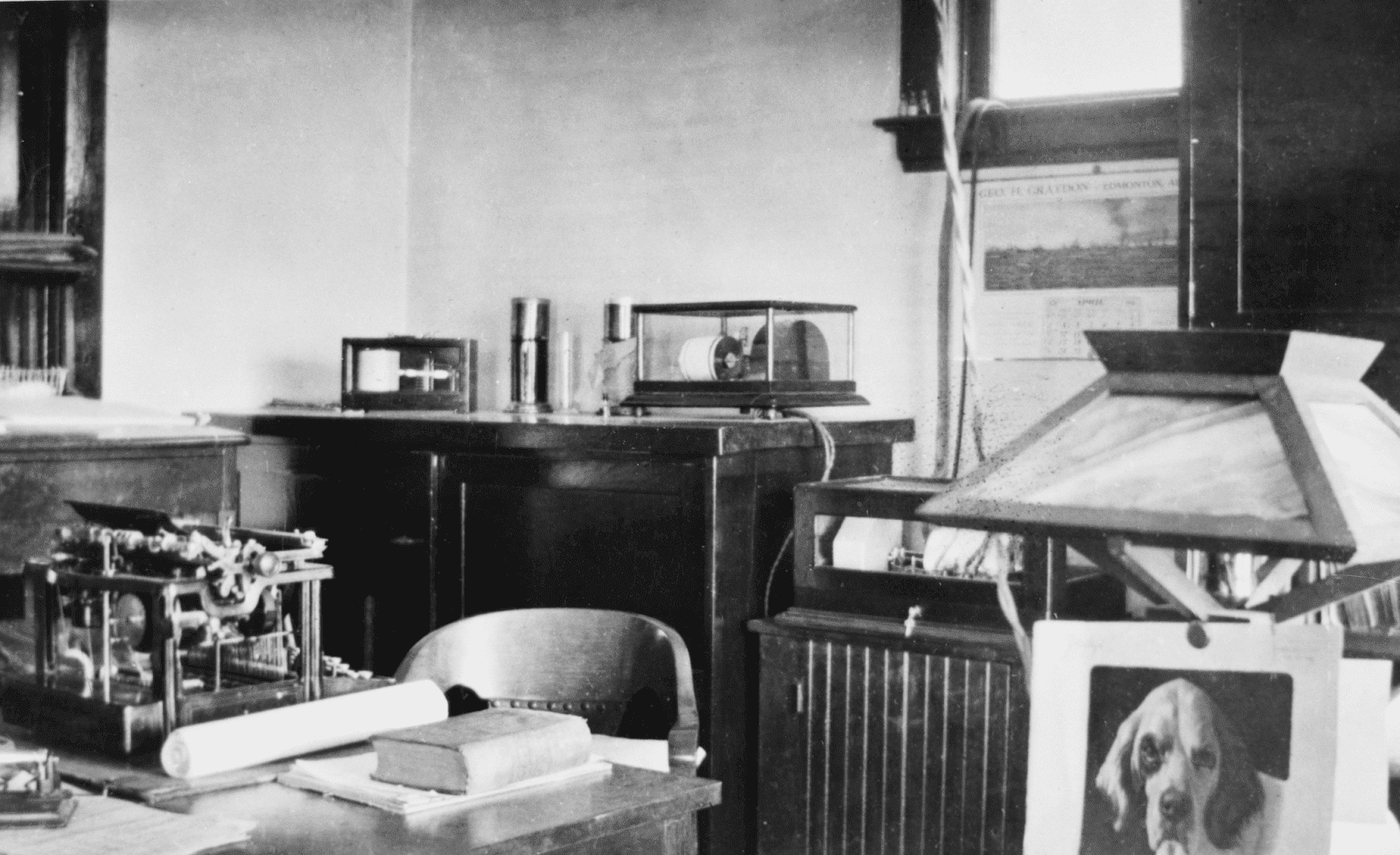
Over the next 25 years, Eda faithfully performed her daily and highly time-consuming tasks. Yet despite checking her instruments ten times a day, she also embarked on notable adventures.
During the war, she maintained contact with the U.S. Army and assisted a group of British meteorologists studying the aurora borealis. After her daughter’s marriage ended, Eda legally adopted her granddaughters and raised them herself.
By the late 1920s, Eda had earned local fame – and nationwide recognition as “Alberta’s Weather Woman,” profiled in Maclean’s, the Toronto Star, Fox Movietone News, and the Christian Science Monitor. Meteorology, once seen as purely a naval pursuit, gradually found acceptance as a valuable social science.
Eda’s tireless work helped propel Canadian meteorology forward, and she did all she could to ensure everyone – from scientists and pilots to everyday citizens – benefited from her knowledge. Her Highlands home ultimately became a historic landmark in Edmonton.