

Fashion in Alberta, much like in other countries, underwent constant evolution. The Alberta Fashion Museum has meticulously documented how men and women dressed across various periods. Learn more on edmontonka.com.
The Beginnings of Fashion
In the 1840s, women’s fashion featured blouses with low, sloping shoulders, and garments emphasized a pointed waist. Women wore bell-shaped skirts, which grew more voluminous over time, often paired with off-the-shoulder evening dresses. Hair was parted in the center, styled into buns or elegantly wrapped around the ears and tied into low chignons at the nape. Accessories included paisley shawls, linen bonnets with lace frills, and cloaks with large collars.
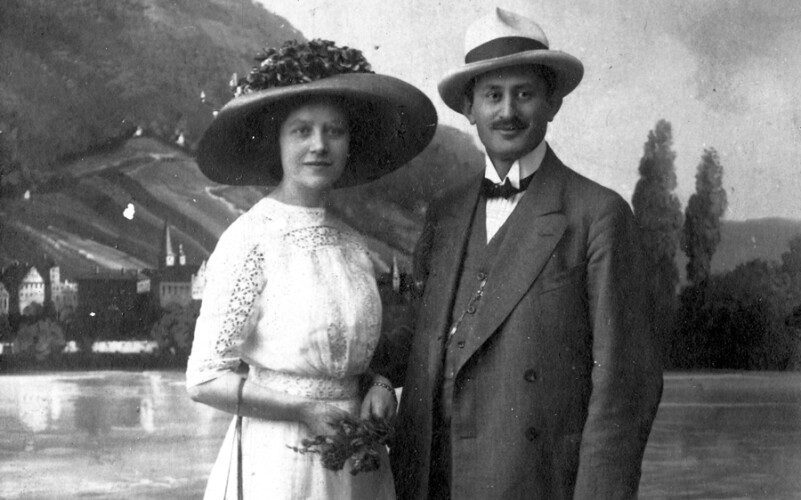
Men’s fashion showcased lowered waistlines, rounded chests, and large frock coats, creating an hourglass silhouette. Narrow trousers, vests with high standing collars, and long, flowing hair were common, with moustaches being particularly popular.
By the 1850s, women’s skirts had adopted a rounded, bell-like shape supported by crinoline petticoats. These skirts featured deep flounces and tiers, paired with long bloomers or lace-trimmed pantaloons as undergarments. Men donned coats, vests, and trousers influenced by Prince Albert’s style. Shirts featured high-standing collars, and sack coats—a loose-fitting, hip-length jacket—became fashionable.
Evolution in the 1860s
In the 1860s, women’s dresses had tight bodices that elongated the neck, high necklines, and buttoned fronts. White lace collars and cuffs were highly popular. Skirts maintained their circular shape, and hairstyles featured center parts with low chignons at the back. Decorations included floral wreaths, ostrich feathers, and butterfly motifs.
Men continued to wear jackets and coats, but vests were now collarless, and trousers were tailored from narrow plaid fabric. High starched collars were paired with cravats, and hairstyles were also parted in the center. Notable styles included “Dundreary whiskers” and “Piccadilly weepers.”
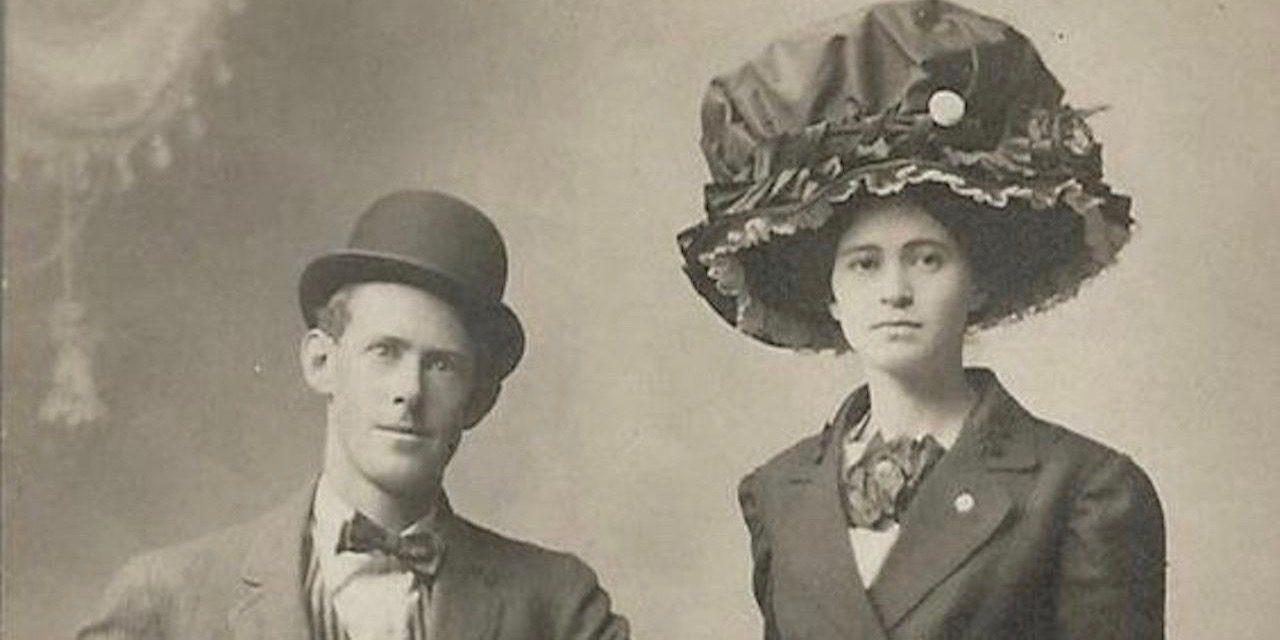
Fashion Transitions Toward Modernity
By the 1870s, women’s skirts shifted emphasis to the back, featuring long trains, numerous ruffles, and frills. Waists became higher, and square necklines gained popularity. Hairstyles were styled high on the back of the head, often elaborately arranged. Small hats, tilted forward toward the forehead, and later, large “picture hats” with wide brims, became fashionable.
In subsequent years, dresses had extremely tight bodices, sleeves, and high necklines, with wrists adorned with lace or frilled trims. The back of skirts featured ruffles, frills, and oversized bows. Men’s clothing also evolved, with lounge suits gaining popularity. Jackets were often worn open or unbuttoned.
Fashion in the 1890s
By the 1890s, women wore fitted bodices with high collars and tight sleeves. By 1893, sleeves expanded dramatically, becoming narrow at the shoulders and wider lower down. Broad shoulders were accentuated with horizontal decoration on bodices, creating the illusion of a fuller bust.
Women also began wearing shirts and ties for sports like golf. Hair was tied high atop the head in tight curls, and hats were either small or wide-brimmed with elaborate embellishments. For men, the three-piece suit became the norm, with pleats added to the front of trousers.