

In July 2015, the Canadian Centre for Policy Alternatives reported that Edmonton was once ranked as the second-worst city in Canada for women, largely due to the gender pay gap.
Edmonton has a long history of women participating in the workforce, elevating the status of women not only in the city but also across Alberta at different points in history. Read on to learn about the history of working women in Edmonton, the jobs they held, and how much they earned on edmontonka.com.
Women and Their First Jobs
Before the Industrial Revolution, women were primarily engaged in domestic duties and did not work outside the home. It was only after certain protests that the authorities allowed women to seek employment. This shift is chronicled in The Women Who Toils: Being the Experiences of Two Ladies as Factory Girls, written by Mrs. Jones Van Vorst and her sister Marie Van Vorst, where they described their experiences in the workforce. Following the revolution advocating for women’s rights, gradual improvements were made, and women began to fill certain roles, albeit with limitations on the types of jobs they could take.
Henrietta Edwards, a member of the Famous Five and a prominent women’s rights activist, published The Legal Status of Women in Alberta. One section of the document detailed the working conditions women should adhere to, including work hours and health and safety regulations.
The First Profession in the City
One of the earliest acceptable professions for women in Edmonton was nursing. The first European nurses arrived in Edmonton by ox cart in 1859 at the request of a local priest. These women were part of the Sisters of Charity and were tasked with providing medical care, shelter, and education to those in need, regardless of their ability to pay. The nurses were compensated for their work and motivated by the opportunity to help others.
In addition to their nursing duties, they engaged in farming and feeding the people they served. That same year, the Registered Nurses Act was passed, and the Alberta Association of Graduate Nurses was established, later evolving into the present-day college. However, in 1898, the Trades and Labour Congress discouraged women from working. Authorities were concerned that women’s employment could lower men’s wages or even lead to women earning more than men, which was deemed unacceptable at the time.
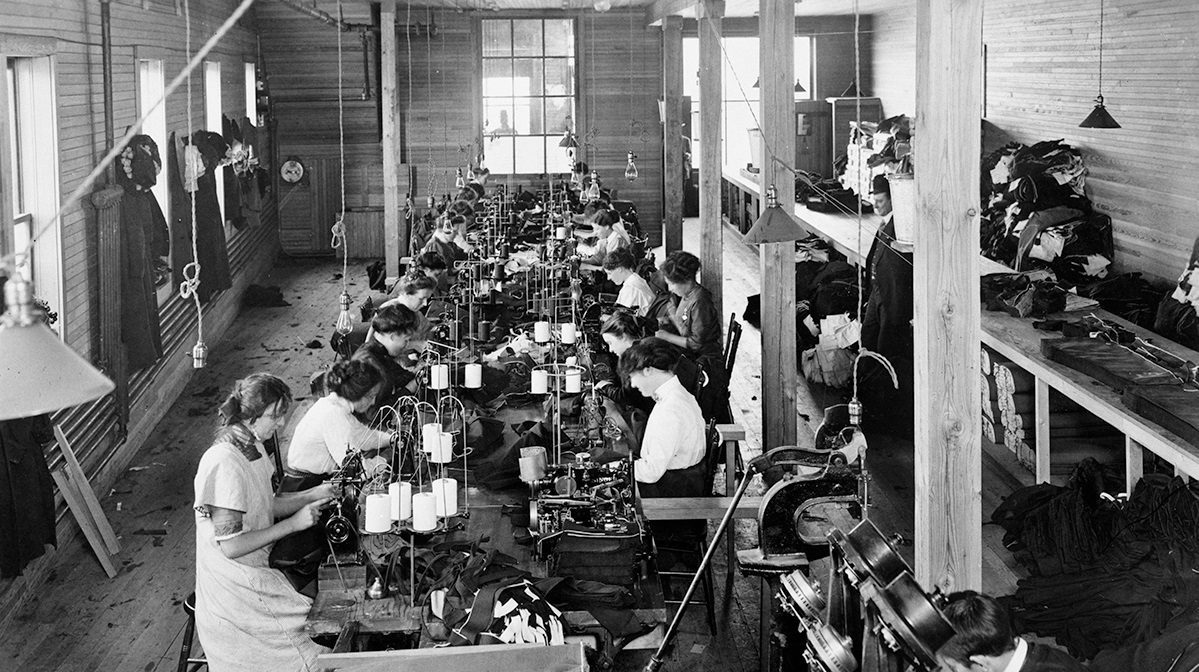
Great Western Garment Company – A Workplace for Women
The Great Western Garment Company (GWG) was founded in 1911 by Charles and Graham Rutherford in response to the growing demand for denim clothing. The company hired a significant number of women due to their superior sewing skills. While men were also employed, they were significantly outnumbered by women. The company became the first in Edmonton to divide roles by gender: men worked as cutters and loaders, while women operated sewing machines. Women’s wages were much lower than men’s.
The Rise of the Service Industry
In 1935, Edmonton saw the growth of the service industry, sparked by a boom in the construction of dining establishments. At the time, there were about 150 waitstaff and cooks in the city, with 25 restaurants in operation. Women workers earned $4.50 per week and endured grueling 12-hour shifts. This continued until widespread strikes led to improved wages and working conditions.
Looking Ahead
Modern historians emphasize the need for Alberta to continue creating quality job opportunities for women. Women’s contributions to Edmonton’s workforce history showcase their resilience and determination to secure a better future.