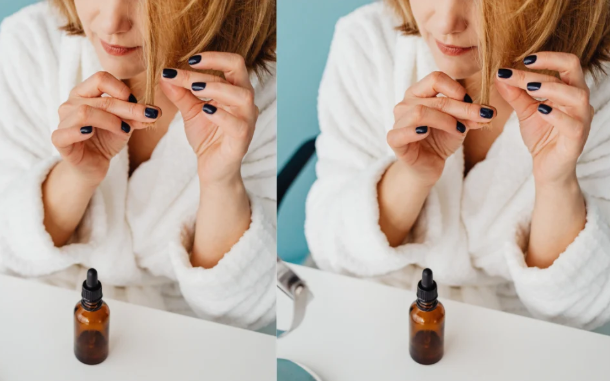

If you’ve ever gone for a five-minute walk along the River Valley in January, you know exactly how it feels. The biting northern wind strips away every last drop of moisture, and the bone-dry air from your home or office heaters finishes the job. Alberta knows how to charm with its snowy landscapes, but for our hair and skin, this harsh climate is the ultimate endurance test.
The constant whiplash between sub-zero temperatures outside and dry indoor heat turns even the healthiest, most manageable locks into dull, brittle strands. Taming them becomes virtually impossible due to the endless static. You take off your beanie, and your volume disappears with it, while your split ends practically beg for help.
But there’s good news. To bring back your hair’s vitality, silkiness, and healthy shine, you don’t need to spend a fortune at high-end salons or wait weeks for an appointment. Turning your own bathroom into a cozy spa and giving your strands deep, natural recovery is much easier than it seems. The key is to understand exactly what our hair needs during a northern winter and approach it with love and care. We explain more about this on edmontonka.com.
Why Does the Cold Destroy Your Hair?
A northern winter attacks our hair on two fronts, and each is treacherous in its own way.
On the one hand, there’s Alberta’s freezing air. At sub-zero temperatures, outdoor humidity drops to almost zero. If you step out into the freezing cold without tucking your hair under your coat, the moisture inside the hair shaft literally freezes and expands. This creates micro-tears in its structure.
On the other hand, there are our homes, offices, and cars, where the heating systems are blasting at full power. This dry, overheated air acts like a sponge, sucking out the last remaining drops of your hair’s natural hydration.
When we bounce back and forth from the freezing outdoors to the dry, heated indoors a dozen times a day, our hair experiences real “thermal shock.” The outer, scaly layer of the hair (the cuticle) starts to peel, stick out in all directions, and lose its smoothness. As a result:
- loss of lipids and moisture: hair becomes porous, dry, and feels as coarse as straw;
- constant static: the cuticle scales no longer lie flat, meaning your strands will attract static electricity from the slightest contact with a hat or scarf;
- breakage along the entire length: stripped of its elasticity, hair simply can’t withstand the friction against clothing and snaps at the ends or wherever it bends.
That’s exactly why a basic, lightweight conditioner or simple moisturizing routine is woefully inadequate during this season. The main goal of winter haircare is to fill the gaps in the hair structure with lost lipids, smooth the cuticle, and create a reliable, invisible barrier. This barrier will lock the moisture inside, no matter what’s happening outside the window.
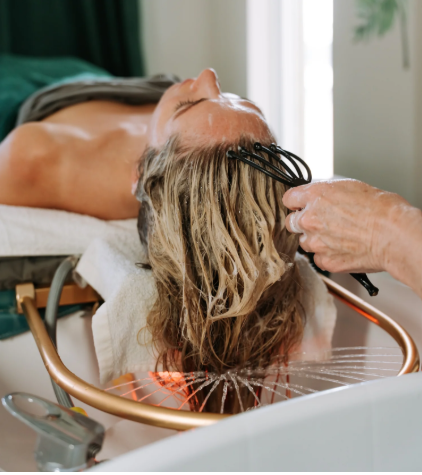
3 Golden Rules of Winter Haircare
To ensure your hair doesn’t just survive, but looks vibrant, silky, and well-groomed regardless of the weather’s temper tantrums, it’s worth remembering three basic truths. This is a foundation that never fails.
- Deep nourishment over lightweight conditioners. During the cold months, forget about weightless textures, watery serums, and express balms promising hydration in 30 seconds. In northern latitudes, they simply don’t work. When it’s freezing outside, your hair needs heavy artillery: thick masks and rich plant oils (avocado, argan, shea, macadamia). They don’t just nourish the hair from the inside; they also create an invisible protective mantle on the surface. This locks in moisture and prevents the biting wind from drying your strands to the consistency of straw.
- Gentle, fuss-free cleansing. After a frosty walk, taking a long, hot shower sounds like heaven. But for your hair and scalp, hot water is a total disaster. It instantly washes away the thin, natural lipid layer that is already struggling to cling on due to the dry air. As a result, your scalp starts to flake and itch, and your hair dries out even more. Switch to comfortably warm water, opt for mild, sulfate-free shampoos or products with hydrating ingredients, and avoid washing your hair until it’s “squeaky clean.” Give your skin a fighting chance to protect itself.
- A silk shield, proper drying, and hat protection. Our favorite woolen beanies, chunky scarves, and parka zippers are stealthy but ruthless enemies of our ends. Wool and acrylic create intense friction, leaving your locks static, tangled, and broken. Choose hats with silk or satin linings, or tie a light silk scarf under your regular beanie. Before heading out, gather your hair into a loose braid or a low bun and tuck it away under your clothes. Don’t forget to wash your winter hats weekly using gentle detergents, skipping the heavy fabric softeners that leave a film and only make static worse. Also, memorize this critical rule: never step out into the freezing cold with damp hair. Even if it’s 99% dry, the residual moisture inside the shaft will instantly crystallize in sub-zero temperatures and blow the hair apart from the inside. Finish blow-drying at least 1 to 1.5 hours before going outside. If your strands still attract static after you take off your hat indoors, rub a tiny drop of lightweight hand cream or hair oil into your palms and gently glide them over your lengths. This will kill the static instantly.
Setting the Right Conditions: From the Bedroom to the Streets
While the frost rages outside, the condition of your hair is determined not just in the bathroom, but by your daily household habits.
- During Alberta’s heating season, indoor humidity plummets to a critical 15–20%. To save your strands from drying out, place a humidifier by your bed and keep the level at 40–50%. You’ll notice the difference in just a few days.
- We’re used to applying heat protectant before blow-drying, but in winter, it’s just as necessary before stepping out the door. A quality leave-in cream or spray creates a film that locks moisture inside the hair and keeps it from “freezing.”
- A regular plastic comb paired with a wool hat turns your hairstyle into a static nightmare. Swap it for a wooden or special silicone brush (like a Tangle Teezer) to keep your hair from getting frizzy and magnetic.
- Temperature fluctuations cause not only dry lengths but also scalp flaking and itching beneath your hat. To prevent “winter dandruff” and let your hair follicles breathe, use a gentle scalp scrub or an AHA/BHA acid peel once every two weeks.
- As you sleep in the dry heat of your radiators, a standard cotton pillowcase acts like sandpaper, causing your hair to rub and break. Swap it out for a silk or satin one: the smooth surface reduces friction to zero, seals the cuticle, and won’t absorb precious moisture from your strands.
- An express SOS for static on the go. If your hair gets magnetic right in the middle of the office or a coffee shop, and you don’t have any special products on hand, try this trick. Spritz your comb with thermal or mineral water and gently brush through your strands (just don’t spray water directly onto your hair to avoid over-wetting it before heading back into the cold). You can also run an anti-static dryer sheet along the lengths, or gently smooth down the strands with your palms after rubbing a micro-drop of regular thermal spray into them.
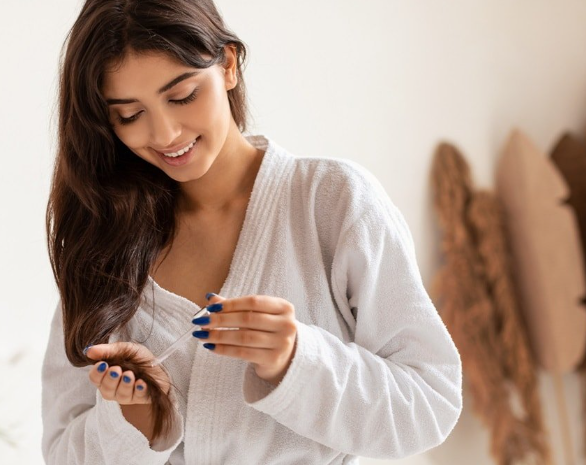
A Crucial Warning Before Starting Your Spa Rituals
At-home recipes are great, but natural ingredients require caution. Essential oils (especially rosemary and lavender) and raw honey are potent allergens. Before applying a mask to your scalp, always do a quick patch test: apply a drop of the mixture to the crook of your elbow and wait 15–20 minutes. If there’s no redness or itching, you’re good to go!
And one more small but critical detail: if you’re making a mask with an egg yolk, rinse it out exclusively with lukewarm or cool water. If the water is hot, the egg will literally cook right in your hair, and washing it out will become a very long ordeal.
Natural Recipes for an At-Home Spa
Recipe #1. Absolute Recovery
This recipe deeply nourishes the ends and fills in micro-tears in the hair structure.
Ingredients:
- 2 tbsp avocado or almond oil;
- 1 tbsp burdock or castor oil;
- 3–4 drops of lavender or rosemary essential oil.
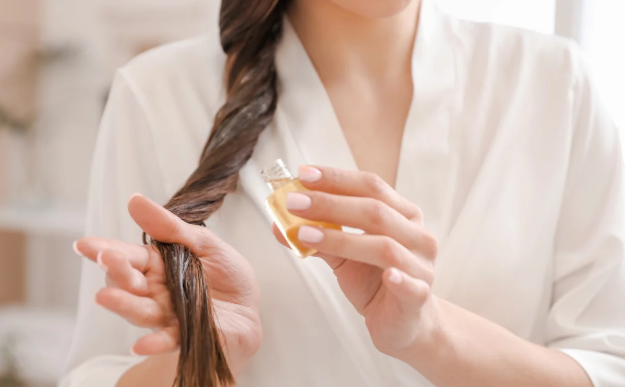
Mix the oils and warm them slightly in a water bath until they are pleasantly warm. Apply to dry or slightly damp hair along the entire length, keeping about 3–4 cm away from the roots. Wrap your head in a towel and leave it on for 45–60 minutes. Wash it out in two passes with a mild shampoo.
To avoid scrubbing your hair with shampoo until it feels like straw, try the emulsification method. Before wetting your head with water, apply a regular balm or conditioner to your oil-soaked strands, massage it in a little, and leave it for 2–3 minutes. The conditioner will break down the oil, making it easy to wash away with a mild shampoo on the first try, without leaving any greasy residue.
The golden rule of oils: remember that oils themselves do not moisturize—they only lock in the moisture that is already there. Applying pure oil to completely dry hair will only dry it out even more. Always apply oil blends to strands that have been slightly dampened with water, a toner, or aloe gel, so you can seal the water inside.
Don’t overload your locks—limit oil treatments to once every 7–10 days. Using oils more often isn’t recommended, as it can clog your scalp’s pores and weigh down the lengths. If you color or tone your hair, keep in mind that natural oils (especially burdock, almond, and olive) are highly effective at stripping away artificial pigment. In that case, it’s better to cut back on oil masks and focus on professional, store-bought products containing hydrolyzed keratin and proteins.
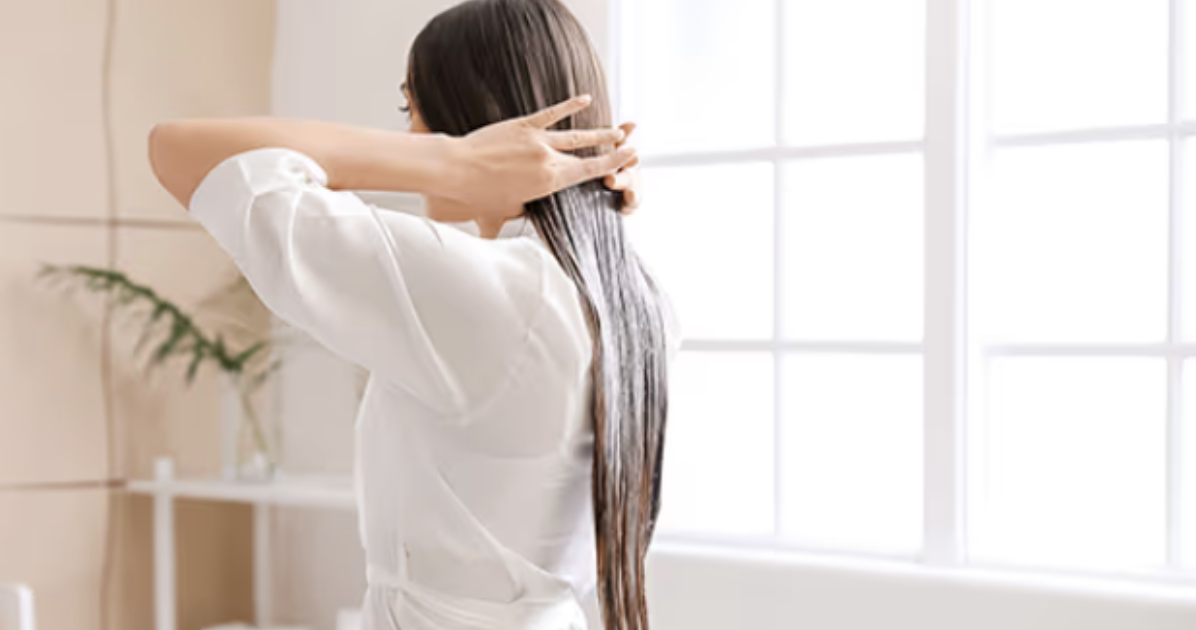
Recipe #2. Nourishing Avocado and Honey Mask
Perfect for reviving dull, parched strands.
Ingredients:
- 1/2 of a ripe avocado;
- 1 tbsp raw honey;
- 1 egg yolk.
Blend the ingredients with a mixer until you have a smooth, lump-free paste. Apply to damp hair after washing, leave on for 20–30 minutes, and rinse thoroughly with cool water.
Recipe #3. Soothing Herbal Rinse
Great for soothing scalp irritation, which often flares up from wearing winter hats and the dry indoor air.
Steep 2 tablespoons of a chamomile, nettle, and hop cone blend in 1 liter of boiling water. Let it infuse for 30 minutes, strain it, and let it cool to room temperature. Use it as a final rinse after every hair wash.
Finding the “Right” Bottle at the Store
Let’s be honest: after a hard day at work or an active weekend outdoors, you don’t always have the energy to mash avocados or measure out drops of oil. If you prefer ready-made haircare from the shelves of local Canadian stores or pharmacies, just pay attention to the ingredient list.
For a northern winter, look for these “saviors” on the labels:
- Ceramides and lipids — they repair the hair’s protective barrier by filling in the gaps;
- Hydrolyzed keratin and proteins — they restore strength and density to brittle strands;
- Panthenol (Pro-Vitamin B5) — deeply moisturizes and calms irritated skin;
- Hyaluronic Acid — locks moisture inside the hair without weighing it down.
Nourishing From Within: Beauty Starts on the Inside
No mask, not even the most expensive one, will work at 100% if your body lacks the resources. In winter, we feel thirsty less often than in summer, but due to the dry air, we lose just as much water.
That’s why you should make it a habit to keep a glass of water—plain or warm with lemon—at your desk. Hydration begins with a basic water balance.
Add more Omega-3s (fatty fish, flaxseeds, avocados, nuts) to your winter menu, and pay attention to vitamins A, E, and D. They support the production of the natural lipid layer that keeps your strands elastic from root to tip.

Checklist for an At-Home Spa Day
- Turn on some soft lighting, grab a warm robe, and brew some herbal tea with thyme or mint.
- Ten minutes before washing, give your scalp a light massage using circular motions with your fingertips to stimulate blood flow.
- Don’t aggressively rub your hair with a towel; just gently pat away the excess moisture. If you use a blow dryer, always switch it to the cool air setting.
Your Personal Island of Coziness Amidst the Northern Frost
Life in Edmonton teaches you to appreciate real warmth—from the first sip of hot cocoa at a coffee shop on Whyte Avenue to a cozy evening at home while the frost crackles outside. Haircare here isn’t just about beauty; it’s a personal ritual of care and recharging after the biting wind coming off the Saskatchewan River and the bone-dry air indoors.
Turn the miserable winter weather into an excuse to pause, put on your favorite podcast, and give your hair a little touch of home comfort and care using a traditional Alberta recipe. And the next time you head out for a walk down the River Valley, your hair will radiate health, softness, and vibrant shine, despite any northern frost.