

Aritha van Herk is a prominent Canadian writer, educator, and mentor whose work holds a significant place in the literature of Alberta and across Canada. Her writing is characterized by a deep focus on the human experience, cultural identity, and the life of the country’s western regions. Her works have garnered acclaim from both readers and literary critics, leaving a notable mark on contemporary Canadian prose and inspiring a new generation of writers. In this article, edmontonka.com takes a detailed look at her life, career, and literary contributions.
Early Life and Literary Beginnings
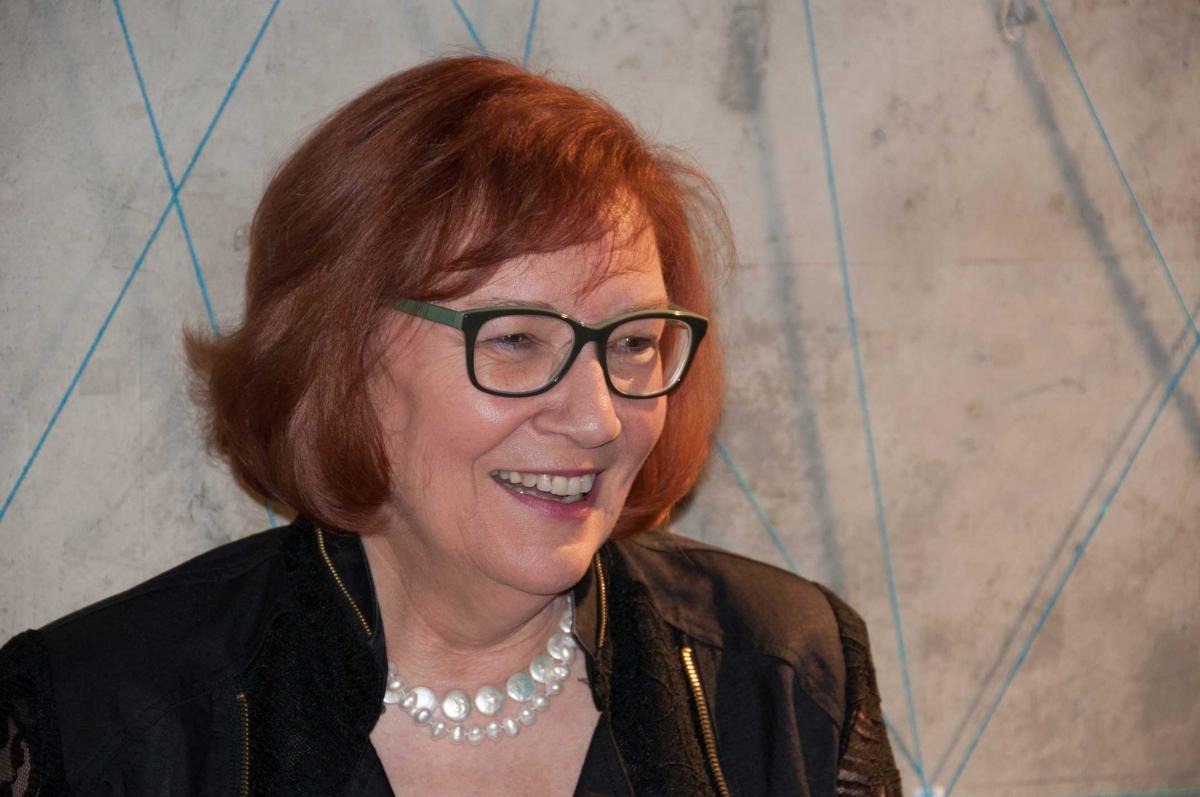
Aritha was born in Wetaskiwin, Alberta, on May 26, 1954. She spent her early years in the small village of Edberg, in the heart of Alberta’s parkland, where she fueled her imagination while playing in the picturesque landscapes of the Battle River valley. Growing up on a family farm, Aritha learned to appreciate the peace and bounty of her surroundings. Her parents had survived the Nazi occupation of the Netherlands during World War II. Like many immigrants, they understood that education would be vital to their children’s success, and they insisted that Aritha and her four siblings excel in their small rural school.
Aritha’s passion for literature ignited early, fueled by frequent trips to the library and teachers who encouraged her to read poetry and write stories. Books became her constant companions, whether she was weeding the garden, doing dishes, or playing outside. While she loved stories about other children, she was puzzled by the lack of young Canadian heroines who reflected her own life experiences. It wasn’t until she discovered *Anne of Green Gables* that she finally saw something familiar in the mischievous, red-headed protagonist.
Literary Career: Novels, Awards, and Recognition
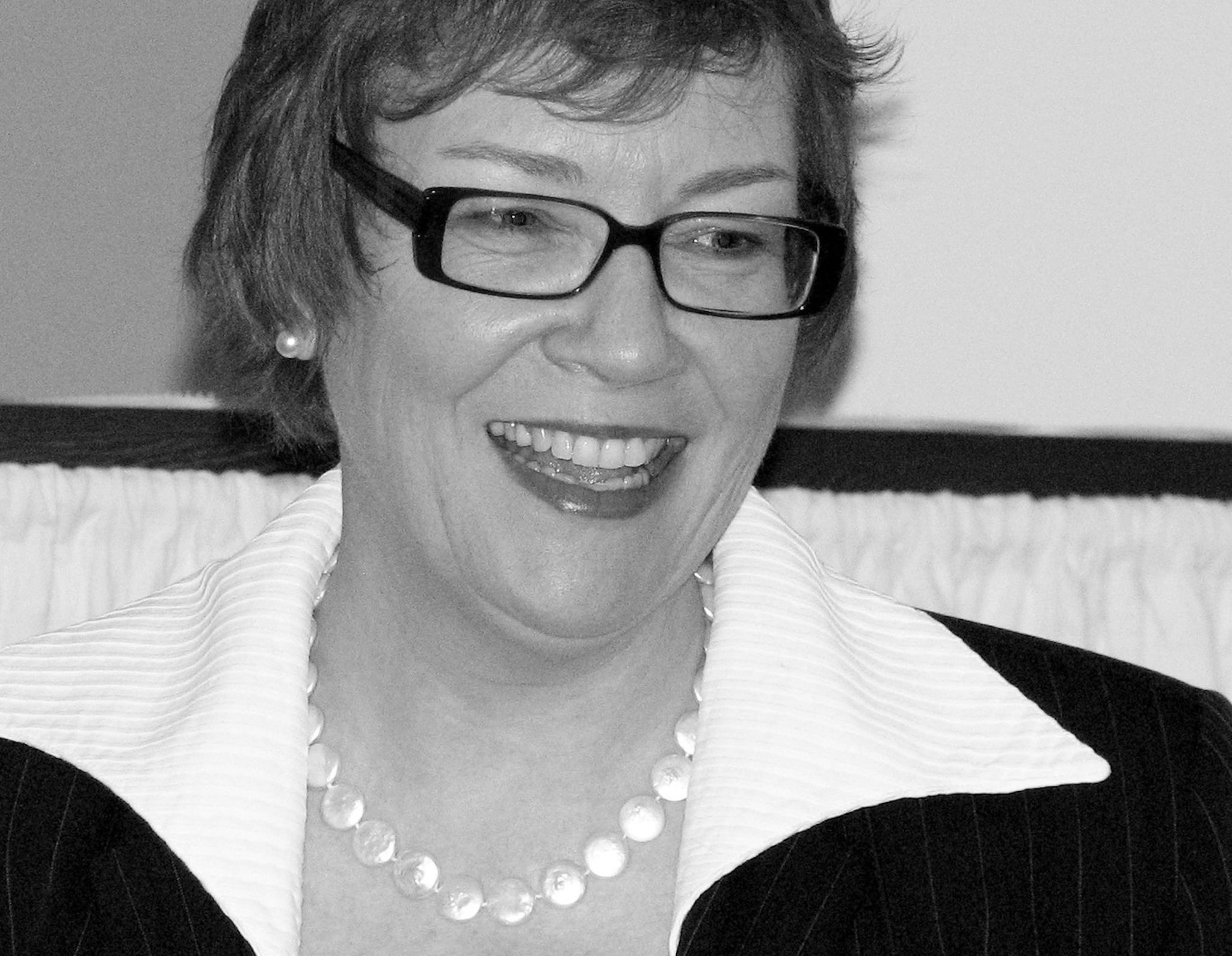
Her passion for literature led van Herk to the English department at the University of Alberta, where she studied under esteemed Canadian writers like Rudy Wiebe and Marian Engel. She was deeply inspired by how these authors dedicated their work to the landscapes, history, and people of Alberta. During the school year, she devoted herself to reading and refining her craft. In the summers, she worked as a typist, office clerk, and camp cook in the Northwest Territories to pay for her next year of tuition. It was at one of these camps that she met a young geologist named Robert Sharp. The two married in 1974. Van Herk graduated with honors in 1976 and earned her Master of Arts in 1978.
That same year, she published her debut novel, *Judith*. It won the Seal First Book Award, signaling the arrival of a distinct voice from Alberta defined by insight, wit, and creativity. This success was followed by *The Tent Peg* (1981) and *No Fixed Address: An Amorous Journey* (1986), the latter of which earned her the Howard O’Hagan Award and a nomination for the Governor General’s Award for Fiction. By 1986, she was celebrated as one of Canada’s most promising writers of her generation. Her later novels, Places Far from Ellesmere and Restlessness, further solidified her reputation.
As her literary stature grew, van Herk expanded into non-fiction and creative journalism, exploring the people, myths, and realities of life in Alberta and across Canada. Her works have been translated into numerous languages, and she has served as a cultural and literary ambassador for Alberta and Canada, regularly participating in readings, presentations, panels, and keynote addresses.
In 2001, at the request of Penguin Canada, she published a book capturing the true spirit of Alberta—written from the perspective of a novelist. She dove deep into the archives of the Glenbow Museum in Calgary, researching the dreams, originality, and determination of the people who shaped the province. The result was the award-winning *Mavericks: An Incorrigible History of Alberta*. In 2007, the Glenbow Museum used the book as the inspiration for a major permanent exhibition dedicated to the history of Southern Alberta.
Teaching and Influence on the Canadian Literary Scene
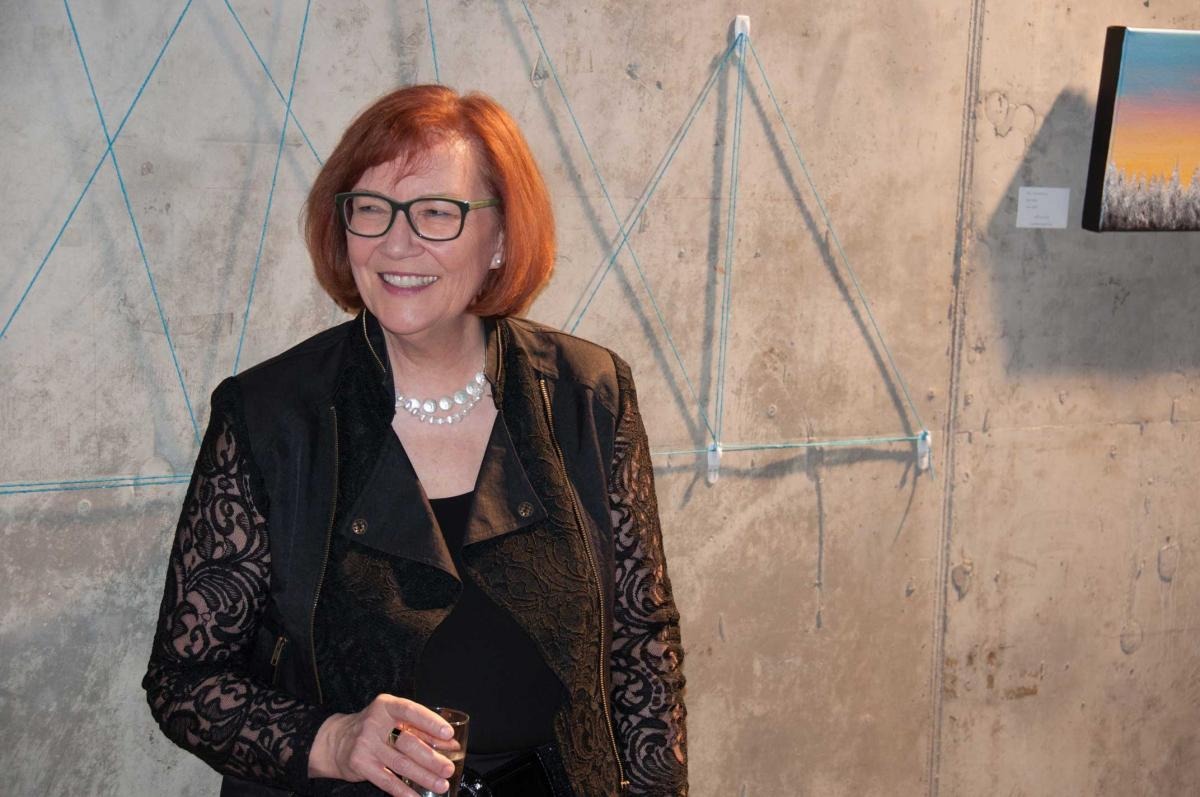
Alongside her writing career, Aritha built an impressive academic life. In 1983, she joined the English department at the University of Calgary, where she helped develop a nationally and internationally recognized creative writing program. She was instrumental in launching Canada’s first doctoral program in creative writing. Her reputation as a professor is built on a blend of high standards, empathy, and the keen insight young writers need to master their craft.
Many students she taught at the University of Calgary have gone on to become successful, well-known Canadian authors, often citing her mentorship as a critical factor in their success. Her immense value to the university has been recognized through her induction into the President’s Circle for Excellence in Research and Creative Activity and the Order of the University of Calgary. In 2010, she served as the University of Calgary’s orator.
Aritha’s dedication to enriching the lives of Albertans and Canadians extends to her advocacy for the arts. She has served as a juror for numerous literary awards, including the Governor General’s Awards and Canada Council for the Arts grants. She has shared her passion for the arts through organizations such as:
- The Alberta Foundation for the Literary Arts
- The Writers’ Guild of Alberta
- The Library Association of Alberta
- NeWest Press
- The Walrus Foundation
- ImagineCalgary
For Aritha, art reveals the true character of a person. Through it, people connect with a power that transcends daily life. Whether it’s music, a painting, or a beautifully written book, the depth found in artistic expression offers more than mere entertainment—it provides solace and adds emotional resonance to the human experience.
Aritha van Herk continues to write, participate in literary festivals, and engage in public discourse. Her work remains a staple in Canadian literature courses and continues to influence contemporary authors. As a frequent cultural commentator on regional and national identity, she remains a significant figure in Canada’s literary scene, skillfully balancing her creative pursuits with a steadfast commitment to public life and education.